Two Brookline condos can sit a block apart and behave like different markets. If you have been watching listings around Coolidge Corner and Washington Square, you have seen it firsthand. You want a clear playbook that explains building types, fees, association health, and timing so you can plan your move with confidence. This guide breaks down how the Brookline condo market really works and how to use its micro-markets to your advantage. Let’s dive in.
Brookline condo types at a glance
Two- and three-family conversions
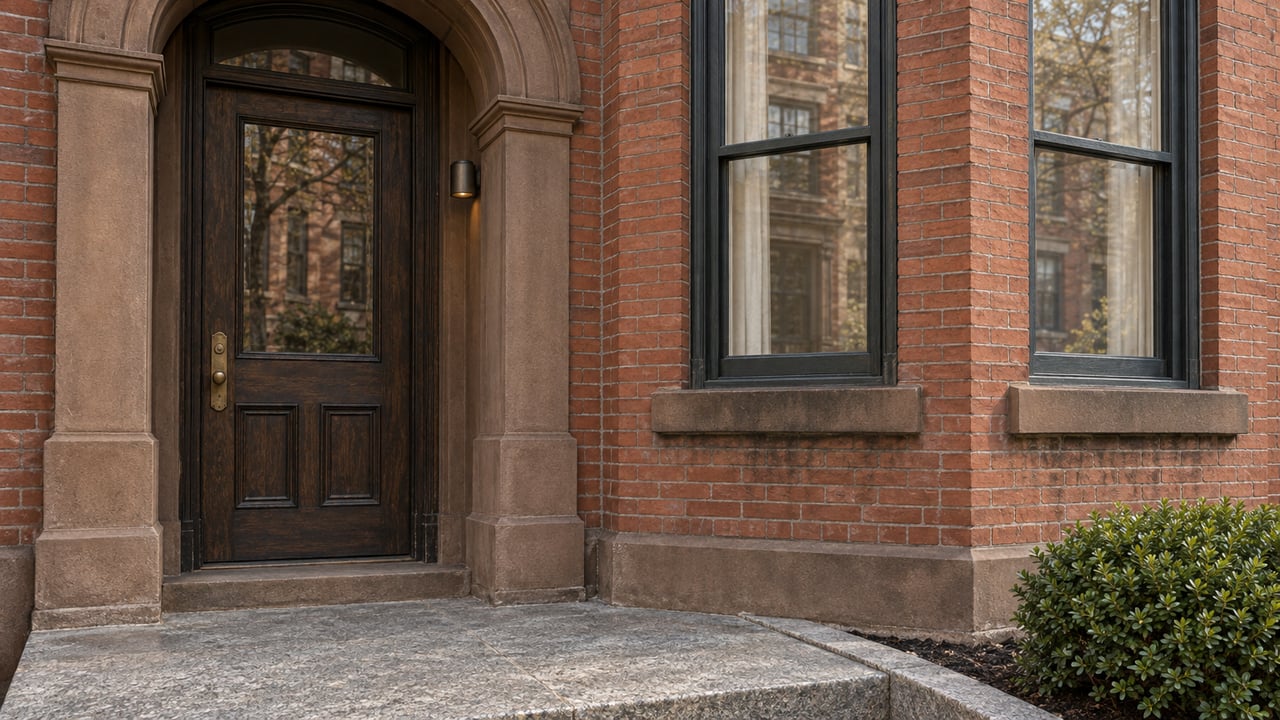
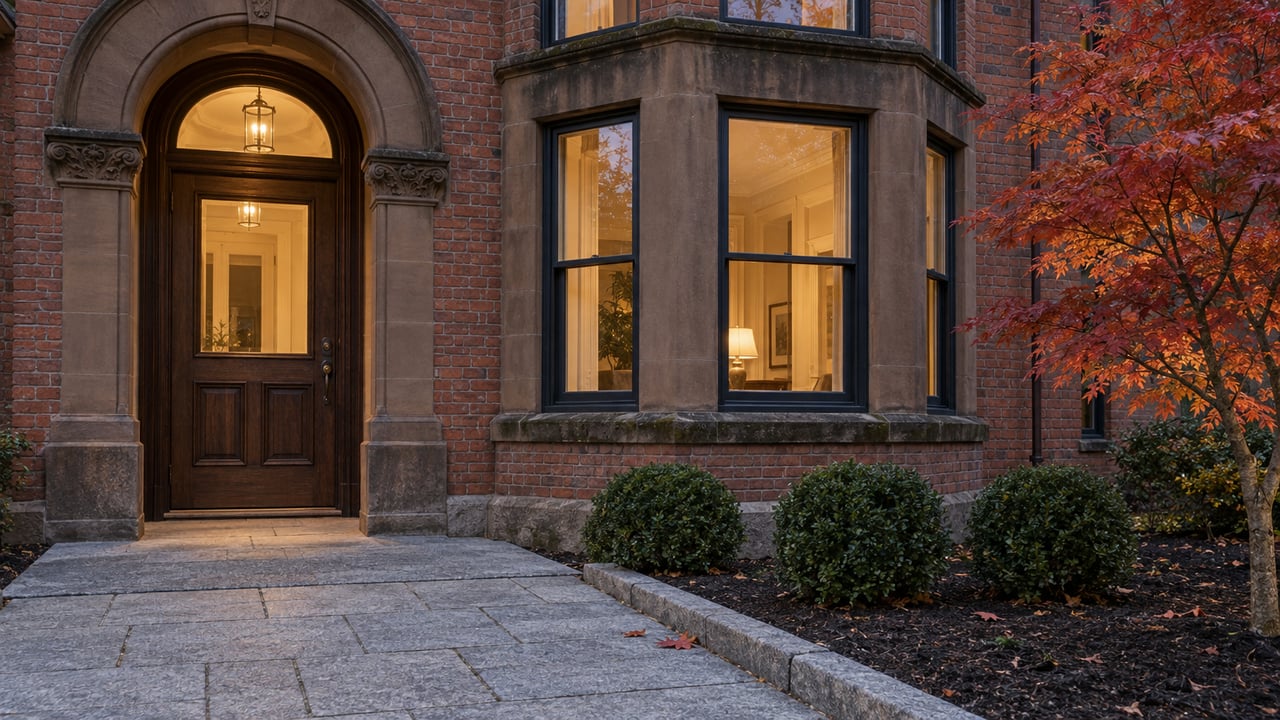
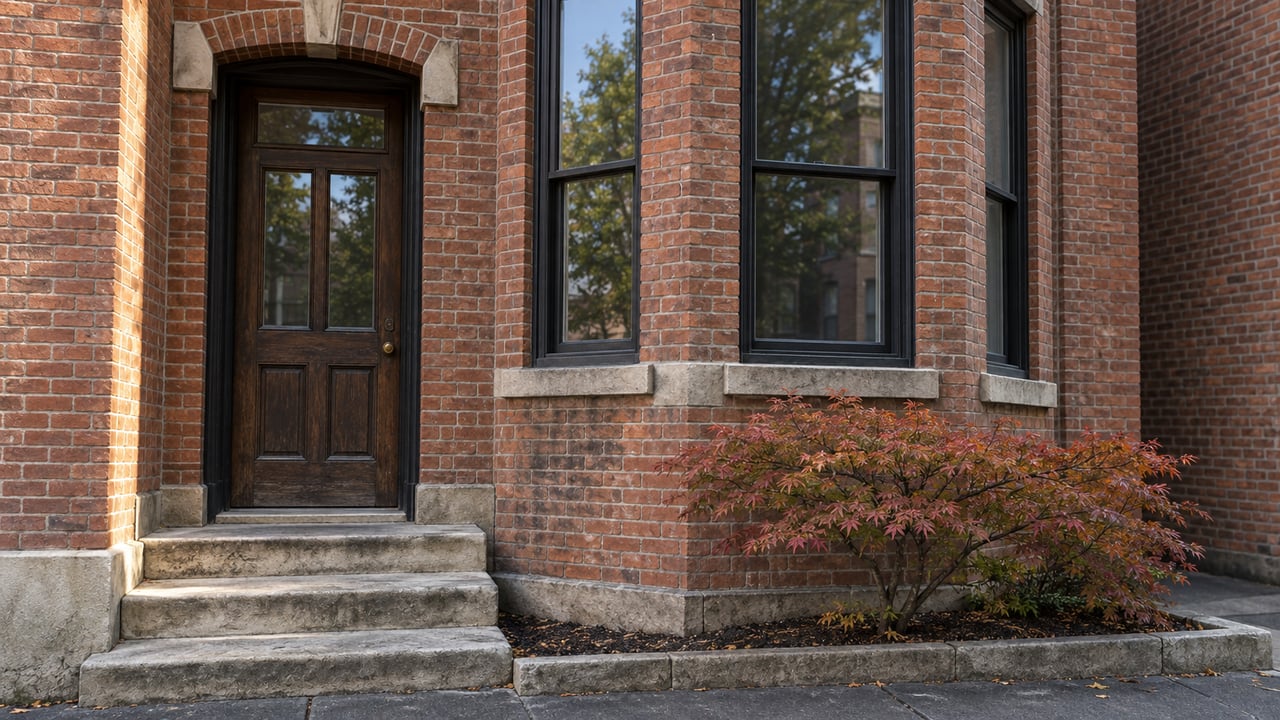
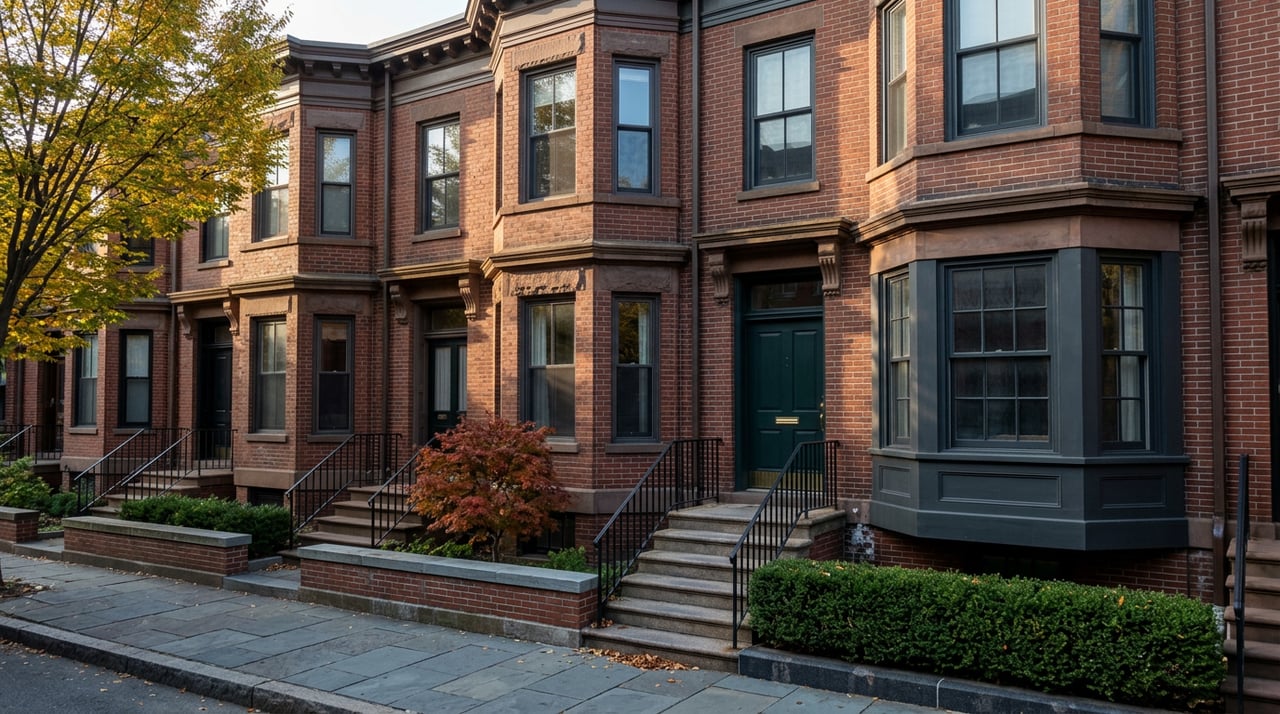
Many Victorian and early 20th-century homes have been converted into condos. You see these near Coolidge Corner, Washington Square, and parts of Brookline Village. Expect character, smaller associations, in-unit mechanicals, and limited common spaces. Fees are often lower, but reserves can be thin, which raises the risk of special assessments if big repairs are overdue.
Mid-rise and elevator buildings
Purpose-built early to mid-20th-century buildings line key corridors in Coolidge Corner and Brookline Village. Many have elevators, lobbies, and centralized systems. Monthly fees tend to be higher because they cover more shared services and infrastructure. Some offer extra conveniences, though full-service doormen are less common here than in central Boston.
Post-war garden and courtyard complexes
Low-rise clusters with shared landscaping and surface parking appear along the Route 9 and Chestnut Hill edges. These buildings often include exterior maintenance and some utilities in the monthly charge. They can deliver more square footage and parking at a different price point than central hubs. The suburban feel appeals to buyers who prioritize space and car access.
Newer luxury and mixed-use condos
Recent builds include modern systems, in-unit HVAC, secure parking, and amenity spaces like package rooms or fitness rooms. Fees are higher but typically fund strong reserves and professional management. In retail corridors, you also find mixed-use properties with storefronts on the ground floor and condos above. Layouts and parking vary, so confirm what is deeded to your unit.
Ownership models to confirm
The most common structure is a standard condominium where you own your unit and a percentage of the common elements. Fractional or leasehold arrangements are rare but possible, so verify title type early. In Massachusetts, condominiums follow the Massachusetts Condominium Act, plus each community’s master deed, bylaws, and rules.
How condo associations work
Condo associations set budgets, maintain common areas, and enforce rules. A board of trustees is usually elected by owners. Some associations hire professional managers, while smaller conversions often self-manage. Professional management can bring consistent budgeting and maintenance practices, but the quality of any association depends on its leadership and documentation.
Core documents to review
- Master deed or declaration, which defines units, common areas, and your percentage interest
- Bylaws and rules, including pet policies, rental limits, and use restrictions
- Financials and budgets for the last 2–3 years plus any reserve study
- Meeting minutes from at least the past 12–24 months
- Master insurance certificate and coverage scope
- Notices of special assessments and any litigation history
Legal and compliance checks
- Massachusetts law: review the Condominium Act, Chapter 183A for baseline governance rules
- Conversions: confirm required notices were handled if a rental was converted to condos
- Permits and code: verify building permits for major work with the Brookline Building Department
What your monthly fee covers
Condo fees vary widely based on building type and services. Common inclusions are:
- Exterior and common area maintenance such as roof, masonry, landscaping, snow removal
- Common utilities and sometimes unit heat or hot water, depending on the building
- Master insurance for the structure and common elements
- Management fees if professionally managed
- Reserve contributions for future capital projects
- Elevator service or amenity costs where applicable
Fees are allocated by the unit’s percentage interest, set in the master deed. Budgets are typically approved annually, and special assessments can occur if reserves fall short or unexpected repairs arise.
Red flags in fee analysis
- Low reserves relative to the age and condition of the building
- Frequent or recent special assessments
- High delinquency rates among owners
- Insurance gaps between the master policy and your required HO-6 policy
Quick buyer document checklist
- Last 2–3 years of budgets and financial statements
- Most recent reserve study and planned capital projects
- Board or association meeting minutes for the last 12–24 months
- Master deed, bylaws, and current rules
- Certificate of master insurance and scope of coverage
- Statement of unit status and any pending assessments
- Lender financing eligibility for the project if you plan to use agency loans
Micro-markets that move pricing
Brookline’s value story is local. Building type, transit access, and association health often matter more than town-wide averages. Here is how the main hubs typically behave.
Coolidge Corner
This is one of Brookline’s busiest retail and transit nodes. Inventory includes early 20th-century walkups, mid-rise buildings, and newer developments. Well-priced units with in-unit laundry, parking, or updated finishes can see faster sales and premiums. Investor interest is steady because of consistent rental demand and convenience.
Washington Square
This area offers a village feel with boutique retail and lower-rise buildings. Supply tends to be tighter due to fewer large-scale developments. Buyers value the neighborhood atmosphere and ease of commuting. Desirable features like parking and storage can push pricing.
Brookline Village
Transit access and commuter convenience drive attention here. You will find older brick buildings and some newer condos close to MBTA stops. Units with smart layouts and modern systems can stand out. Proximity to services adds day-to-day value for many buyers.
Chestnut Hill and Route 9 corridor
Expect larger complexes, more garden-style layouts, and more parking options. Floor plans can be bigger than central hubs, with a suburban feel. Pricing dynamics and seasonality can differ from core walkable areas. If you want space and parking, this is an area to watch.
Reservoir and nearby residential blocks
Residential streets near parks and reservoirs have fewer condo conversions and tighter supply. Limited inventory can help support price stability. When standout units list here, they can attract quick interest. Always confirm recent sales comps by building, not just by neighborhood.
Seasonality and timing
Greater Boston follows a familiar rhythm that applies in Brookline.
- Spring, late March through June: Highest inventory and buyer activity. Competition can push prices for desirable units.
- Summer, June through August: Still active with some mid-summer slowdowns. A practical window for buyers planning moves around school schedules.
- Fall, September through November: Activity often picks up after Labor Day while inventory tightens.
- Winter, December through February: Leanest inventory. Well-priced, move-in ready units can still sell quickly, but the buyer pool is smaller.
Brookline specifics include steady demand in tight hubs like Coolidge Corner and Washington Square. Newer developments sometimes release units on their own schedules, which may not follow the usual spring peak. University and school calendars can influence timing for some buyers and sellers, so align your plan with your personal timeline.
Timing tips
- For buyers: Off-season can mean less competition and more negotiating room, but you will have fewer choices.
- For sellers: Spring brings maximum exposure. Good photography, clear disclosures, and attractive staging help in any season.
Financing, insurance, and resale realities
Lenders look closely at the health of the association. They review reserves, delinquency rates, and whether any single entity owns too many units. Some lenders limit financing in buildings with high commercial square footage or nonstandard documents. If you plan to use agency loans, confirm whether the project meets eligibility guidelines before you fall in love with a unit.
Every condo owner needs an HO-6 policy for interior improvements, personal property, liability, and loss assessment coverage. Review the master insurance to confirm replacement valuation and what is covered by the association versus your policy. Ask your agent and insurance professional to coordinate so there are no coverage gaps.
Resale value often benefits from limited supply in walkable hubs and convenient bus or rail routes. Buildings with strong reserves, clear governance, and healthy owner occupancy can attract a wider pool of financed buyers. Associations with confusing documents or underfunded reserves may face longer days on market when you sell.
When to bring in local experts
A strong team saves time and risk. Consider speaking with:
- An experienced local buyer’s or listing agent who knows the building types and micro-markets
- A Massachusetts condominium attorney to interpret unique bylaws or complex declarations
- A property manager familiar with Brookline associations
- The Town of Brookline for permit and code verification via the Building Department
For taxes or assessment questions, the Town’s Assessors Office provides public records and property details. Start at the Town of Brookline website to find the right department.
Seller prep by micro-market
Your listing strategy should match the building and location. In central hubs, invest in presentation that highlights in-unit laundry, parking, storage, and updated kitchens or baths. In garden-style or suburban-feel complexes, showcase square footage, closets, and parking convenience. Always disclose the association’s most recent budgets and minutes so buyers see a healthy, transparent community. If reserves are light, outline recent capital work and planned projects to reduce concerns.
Buyer next steps
- Narrow your target micro-markets to 1–2 hubs based on daily life needs such as transit or parking
- Decide on your top two features such as in-unit laundry or a parking space
- Request association documents early and read the minutes closely
- Confirm master insurance coverage and price out an HO-6 policy
- Ask your lender to pre-check the building’s project eligibility
- Plan for seasonality, but be ready to act when the right unit appears
The bottom line: Brookline is a micro-market town. Building type, association health, transit access, and amenities on your block influence price and timing more than any single town-wide metric. If you want a tailored plan for buying or selling, connect with Eric Glassoff to schedule a free neighborhood consultation.
FAQs
What does a typical Brookline condo fee cover?
- It usually funds exterior and common area maintenance, common utilities, master insurance, management if applicable, and reserve contributions, but specifics vary by building budget.
Are small converted condos riskier than new builds in Brookline?
- Conversions can have thinner reserves and deferred maintenance, while new builds often have stronger reserves and amenities; judge each by documents, recent capital projects, and reserves.
How does parking work for Brookline condos?
- Many older buildings have limited deeded spaces, so confirm your deeded rights and on-street permit options; proximity to transit can offset limited parking for some buyers.
How are special assessments decided in Brookline condo associations?
- If reserves are not enough for necessary work, the board can levy an assessment based on each unit’s percentage interest; review minutes for planned projects and reserve study findings.
Are short-term rentals allowed in Brookline condos?
- Policies differ by association and may be affected by town rules; always review the condo rules and check current municipal guidance before planning any rental activity.