Thinking about selling your Back Bay condo and trying to time it right? You are not alone. With a market that shifts by season and by price tier, choosing the right week can mean a faster sale and a stronger final price. In this guide, you will learn the best seasonal windows for Back Bay, how different buyer groups move through the year, and a simple timeline to prep, launch, and close with confidence. Let’s dive in.
The short answer
For most Back Bay sellers who want the best mix of price and speed, list in early spring. Prepare in late winter, then aim to hit the market between late March and mid April. Recent national research identified mid April as the single strongest week for sellers, while Boston’s metro pattern has at times peaked in early March. Because Back Bay is a central, high value market, double check the current year’s neighborhood data before you set a date.
Two keys help you lock in the right week:
- Confirm recent neighborhood trends by month for Back Bay condos only, not all housing types.
- Adjust for your price tier and building type, since luxury units and new tower closings can follow different rhythms.
Back Bay seasonality at a glance
Back Bay draws several buyer pools, which creates a blended but reliable pattern through the year.
- Spring surge. March through May typically brings more buyers, quicker sales, and better pricing momentum. National studies have highlighted mid April as a strong week, while Boston can peak earlier.
- Late summer investor window. Student leases tied to the academic calendar often end in late August or early September, so summer can see investor activity and some turnover near move in dates. Boston University’s published housing calendar is a helpful reference for timing around lease expirations.
- Productive fall. September and October often work well for higher end buyers returning from summer travel who want to transact before year end. In the upper tiers, liquidity can be slower, so allow a longer runway.
Who is buying when
Professionals and medical employees
Back Bay benefits from major employment centers nearby, including the Longwood Medical and Academic Area. Longwood institutions support tens of thousands of jobs, which keeps demand steady from relocating hires and local professionals year round. For this group, hiring cycles and relocations often matter more than strict seasonality. Learn more about the Longwood workforce on the Longwood Collective’s overview page at the Longwood Collective.
Students and investor buyers
If your condo is leased to students or marketed to investors, the academic lease cycle matters. Move ins tend to cluster in late August and early September, with some spring admits. Coordinate your listing with actual lease end dates so you can either present a vacant unit to owner occupiers or target investors when turnover is highest. See Boston University’s current housing calendar for timing cues on the BU Housing calendar.
Luxury, empty nesters, and international buyers
At the top of the market, timing can be more flexible, but liquidity is often slower and campaigns take longer. Industry coverage has noted a cooler ultra luxury segment, so plan a longer marketing runway and consider both early spring and early fall launches to reach wealth managers and relocation channels. Recent reporting on Boston’s luxury condo segment appears in Banker & Tradesman.
Data smart timing for Back Bay
To choose a specific week with confidence, ask your agent to run a three to five year, month by month view of Back Bay condo activity. Focus on these steps:
Pull the right MLS export. Ask for Back Bay condos and co ops only. Include list date, contract date, close date, original list price, sale price, days on market, square footage, beds, baths, HOA fee, and a new construction flag.
Cross check recorded deeds. Confirm sale prices and catch off market transfers using the Suffolk County Registry of Deeds via the statewide portal at the Massachusetts Land Records directory.
Segment before you average. Separate resales from new construction or developer closings, and isolate student rental units if possible. Large batches of closings in a new tower can swing monthly medians and hide what is really happening for owner occupied resales.
Analyze by tier. Compare <$750k, $750k to $1.5M, $1.5M to $3M, and >$3M. Seasonality often looks different by price band, and marketing time generally lengthens in higher tiers.
Identify the pattern. Look for recurring spring peaks in median price and dips in median days on market, while noting any fall window. Then match your unit’s tier and building type to the pattern you see.
Timing by seller type
Use these playbooks to match your situation.
- Owner occupied, no time pressure. Prep in January or February and list in late March to mid April. This rides the spring surge and puts you on track to close in May or June. National analysis has called mid April the strongest week, and Boston sometimes peaks earlier in March.
- Luxury or high price condos. Allow a longer runway. Consider an early fall launch in September or October as a strong second window to reach returning high end buyers. Expect more days on market and plan pricing and marketing accordingly.
- Rented to students or investor sale. Time your listing around lease expirations, typically late summer. Decide whether you want the unit vacant to attract owner occupiers or tenant occupied to appeal to investors targeting yield. Use the published academic calendar as your anchor.
- Need a quick sale or less competition. Listing in late fall or winter can reduce competing inventory and draw motivated buyers. Winter usually brings fewer total buyers, so this is a tradeoff where visibility and speed outweigh aiming for the absolute peak price. For a consumer friendly overview of winter tradeoffs, see this seasonal explainer from Ramsey Solutions.
Month by month game plan
January to February: prep to win
- Get your data. Ask for a 3 to 5 year Back Bay condo analysis by month, segmented by price tier and new construction. Confirm whether Boston is skewing earlier this year.
- Fix and freshen. Tackle high impact items like paint, lighting updates, touch up floors, and a deep clean. Consider pre listing staging to maximize online presentation.
- Line up your team. Engage a photographer, videographer, and floor plan provider early. If you plan to sell and buy, review financing options and timing so you can accept the right offer.
March to April: launch window
- Target a Thursday list date in late March through mid April, then host opening weekend showings. If Boston’s local data points earlier, shift into early March.
- Price with intent. Use recent comp activity for your building and tier. Avoid chasing developer pricing that does not reflect resale demand.
- Stay agile. If traffic is heavy, you may set an offer deadline. If it is slower, tune price or presentation quickly while spring demand is active.
May to June: convert to closing
- Manage contingencies. Keep inspection and financing timelines tight and keep communication frequent.
- Prepare for appraisal. Provide your agent with upgrades and recent comps that match your micro market and building.
July to August: investor and turnover season
- If you are selling a leased unit, plan showings around notice requirements and consider marketing to investors who value existing tenancy.
- If you want to reach owner occupiers, aim for vacancy around late August to present a clean, move in ready home.
September to October: strong second window
- Re engage higher end and relocation buyers who return from summer travel. For luxury listings, this can be a prime period.
November to December: strategic moves
- Consider a late fall launch if your goal is motivated buyers and lighter competition. Expect lower total foot traffic but more serious shoppers.
Avoid show stopping dates
Back Bay logistics matter. The Boston Marathon finish line sits on Boylston Street, and the week of Patriots’ Day brings heavy crowds and street closures around Copley. Avoid your debut or key open houses during Marathon week so showings are not disrupted. You can review the most recent closure details in the Boston Globe’s Marathon street closures coverage.
Pricing, DOM, and micro markets
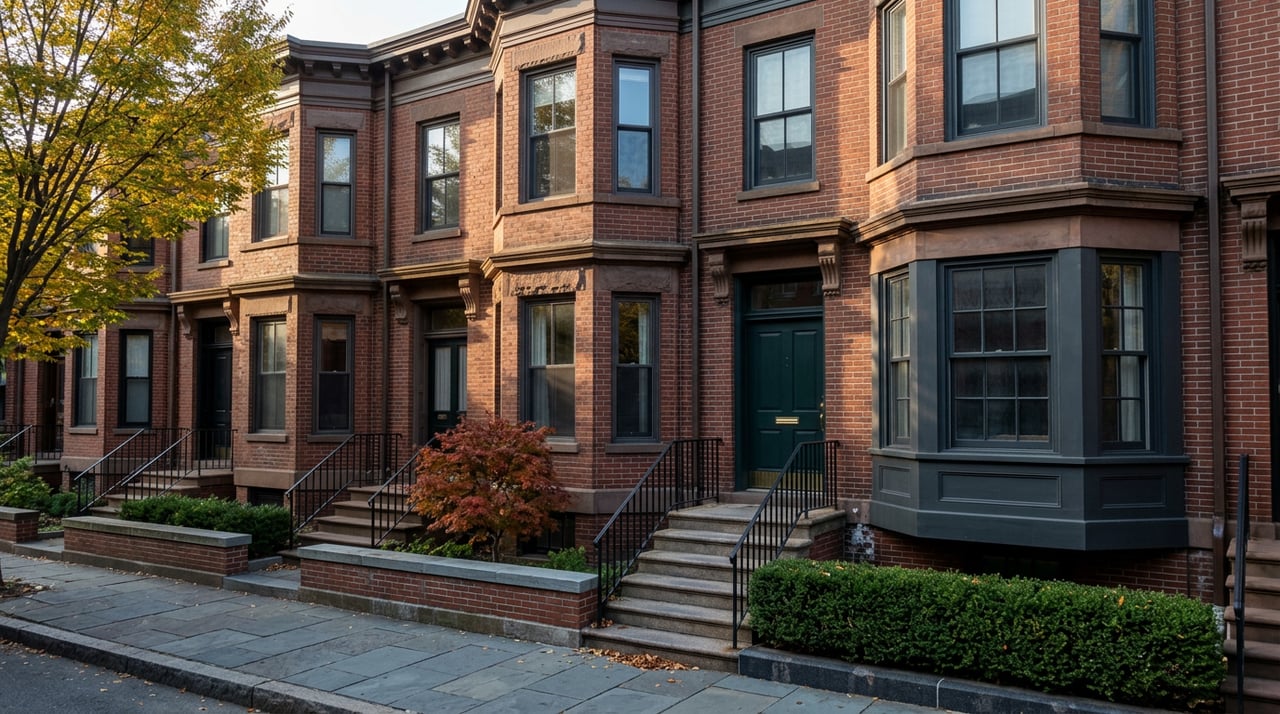
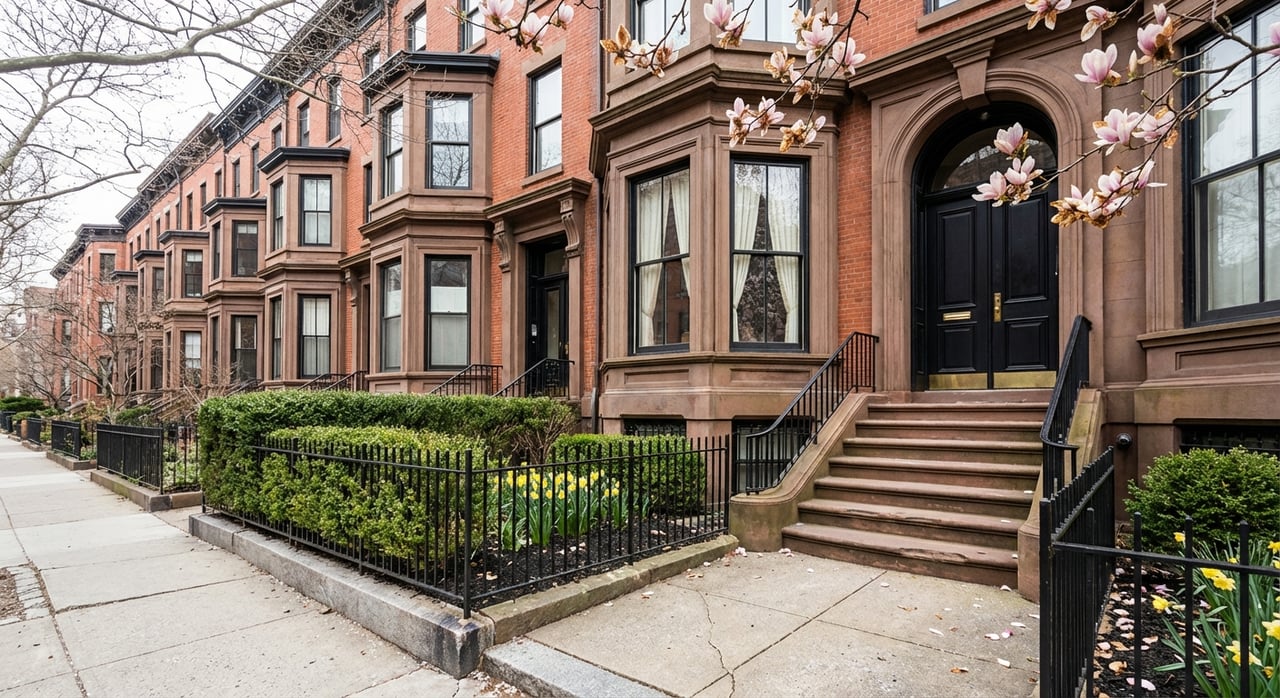
Back Bay is a collection of micro markets. Homes closer to Newbury and Boylston, brownstone blocks on Commonwealth, and full service buildings near the Prudential all appeal to different buyers and price tiers. That is why you should evaluate your building and tier specifically, not just the neighborhood median.
Neighborhood snapshots have shown median sale prices in the low one million range for Back Bay condos, with typical days on market around one to two months. Different data providers can report different numbers because they select different samples and compute days on market differently. New tower closings that release many units at once can also move monthly medians temporarily. To get a homeowner relevant signal, focus on resales in your tier, and track both median price and median days on market over several years.
Prep moves that pay off
You do not control the market, but you control presentation and timing. A few steps consistently help Back Bay condos sell faster and better:
- Professional visuals. Bright, well composed photography, floor plans, and video help your listing stand out in the spring surge.
- Light updates. Fresh paint in neutral tones, tightened hardware, polished fixtures, and tidy closets create a clean, move in ready feeling.
- Staging. Even partial staging can clarify how rooms live and add scale in historic brownstones or larger modern layouts.
- Pre listing walk through. Catch repairs, understand buyer questions, and rehearse how to present building features, HOA details, and monthly fees.
- Targeted marketing. For luxury units, plan outreach to wealth advisors and relocation channels. For investor friendly properties, highlight rent history, lease dates, and net operating details.
Bottom line for Back Bay sellers
Early spring is usually your best bet for both price and speed, with Boston sometimes peaking a few weeks earlier than the national pattern. If you own a higher end or leased unit, tailor timing to your specific buyer pool, and use building level data to pinpoint the right week. A clean, well presented condo launched into the right seasonal window tends to outperform.
If you would like a building specific timing plan, segmented comps, and a step by step launch calendar, connect with Eric Glassoff. With 22 plus years, 700 plus transactions, and premium marketing through Coldwell Banker Global Luxury, you get senior level guidance and a calm, data informed process from start to finish. Schedule a free neighborhood consultation.
FAQs
What is the best month to sell a Back Bay condo?
- Most years, early spring is best. Prepare in late winter and target a listing date between late March and mid April, while checking current Back Bay condo trends by month for your tier.
Is spring always better than fall in Back Bay?
- Spring typically offers the broadest buyer pool and faster sales, but September and October can be productive, especially for higher end units that need a longer marketing runway.
How do student leases affect timing for investor owned Back Bay condos?
- Many leases end in late summer. If selling to investors, list during summer turnover. If aiming for owner occupiers, plan to show the unit vacant around late August or early September.
Do luxury Back Bay condos follow the same seasonal pattern?
- Luxury sales can move outside strict seasonality and often require a longer campaign. Early spring and early fall are the most reliable windows, but expect longer days on market.
Should I avoid listing during the Boston Marathon week in Back Bay?
- Yes. Marathon week brings heavy traffic and street closures near Copley and Boylston, which can disrupt showings and open houses. Plan your debut for a different week.