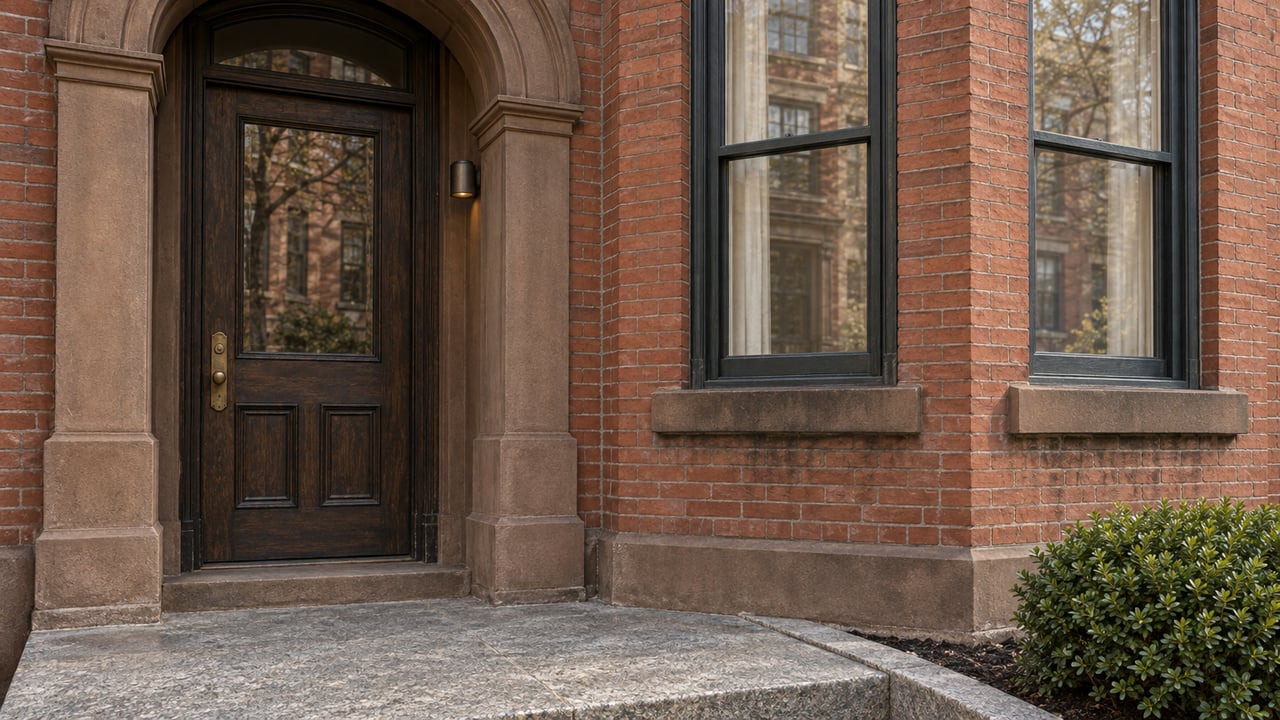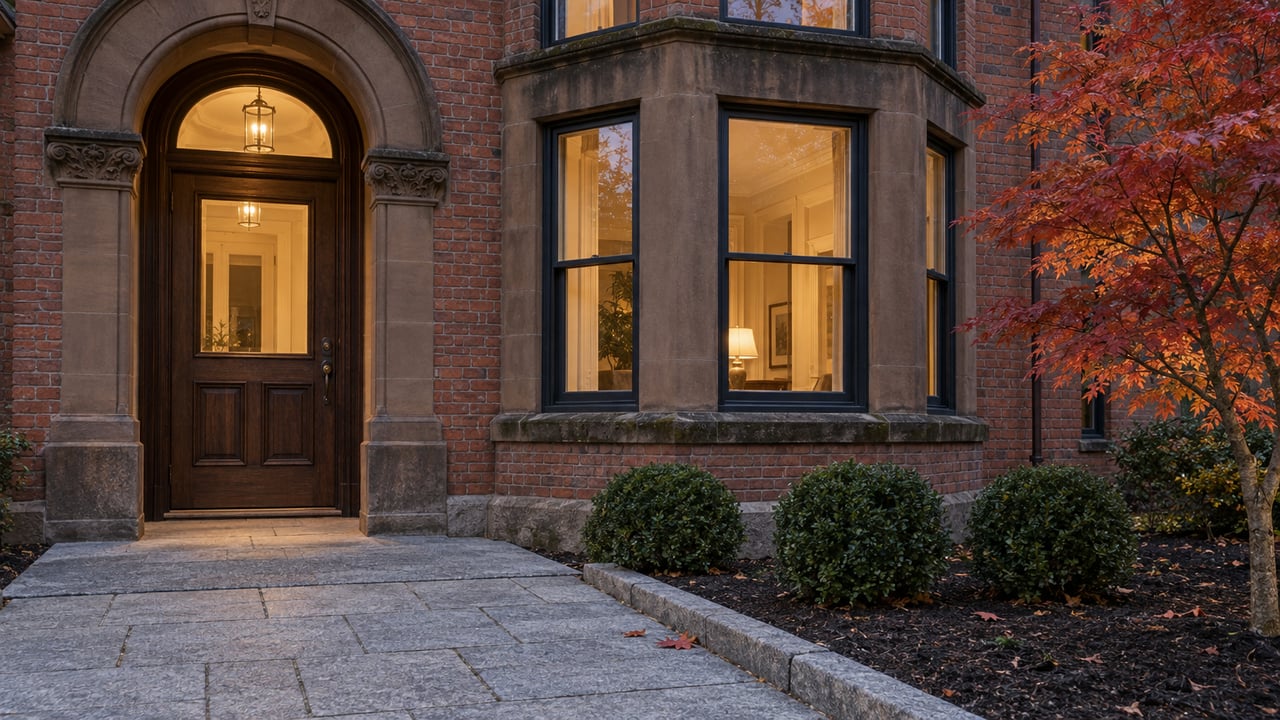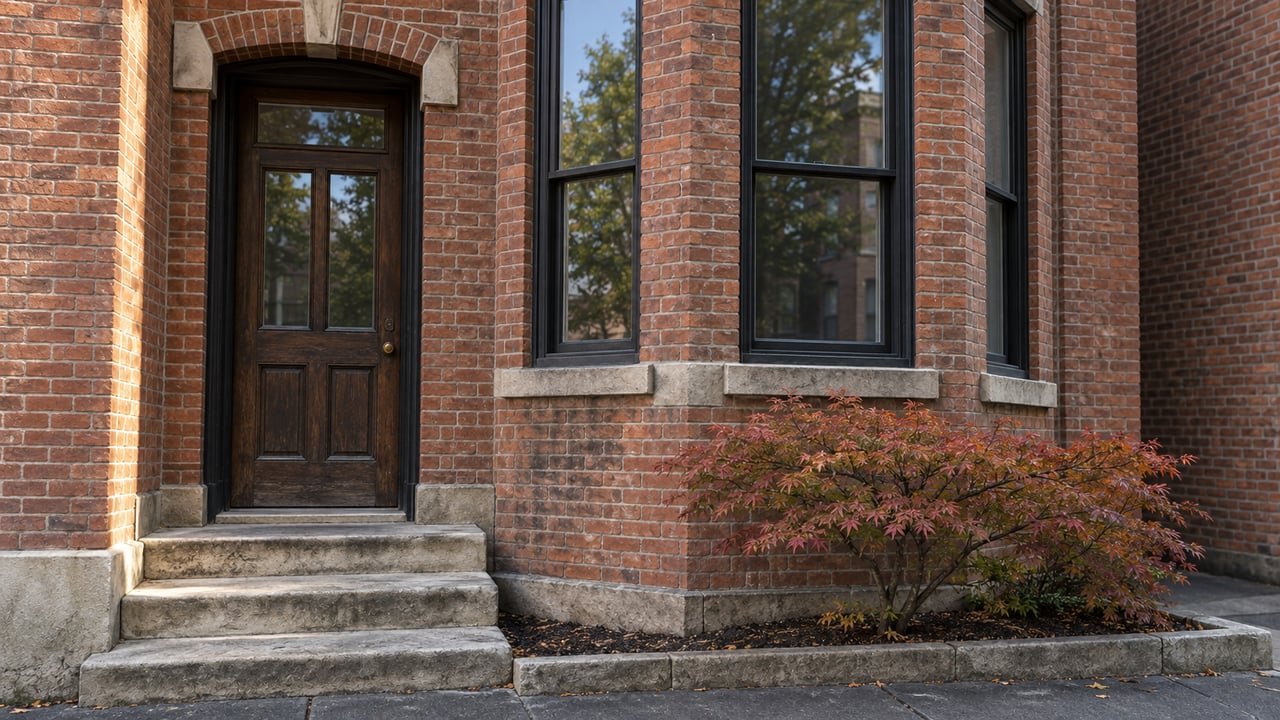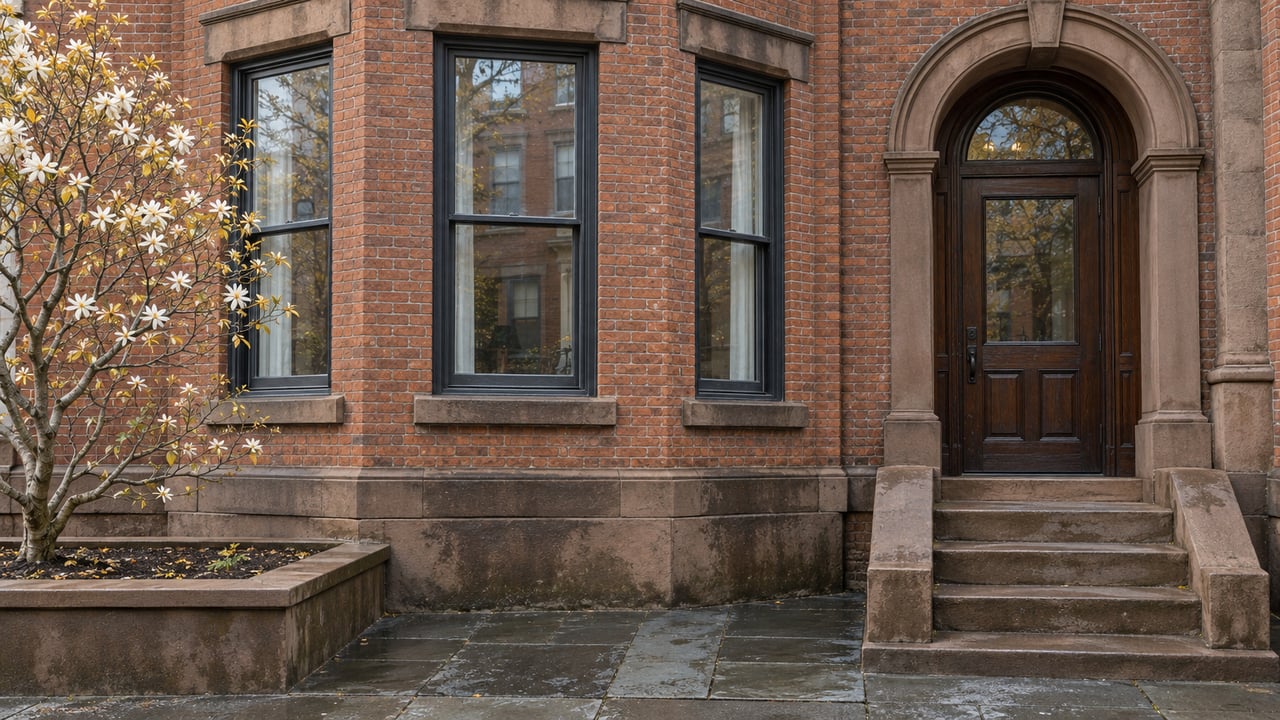
In 2017, the Park Square Building carried a $160 million mortgage. In spring 2026, the lender's own affiliate bought it at auction for about $95 million. The office building opened in 1923 and runs a full city block between Arlington and Berkeley streets. Its address and its frontage on three streets were the same at both dates. That lower price is the most important reason the building may now hold 476 apartments.
If you are comparing Back Bay with other neighborhoods, this proposal shows how new housing actually arrives at its edges. It comes from a reset building price and a tax break that expires on a fixed date. Demand for the neighborhood still matters, but it is not the deciding factor.
A price ladder that only goes one direction
Here is the building's history in figures, each from the reporting that carried it:
| Moment | Figure | Source |
|---|---|---|
| Capital Properties buys the building, 1997 | $57 million | The Real Deal |
| New CMBS loan, note dated October 2017 | $160 million | SEC filing |
| Occupancy, June 2024 | 42%, down from 96% underwritten in 2017 | Commercial Observer |
| City assessment before auction | $119 million | Bisnow |
| Auction, March 2026 | $95 million winning bid, about $175 per square foot | Bisnow, The Real Deal |
According to Commercial Observer, the loan went to special servicing in 2024. That happened after the borrower missed a monthly payment and said it would stop covering shortfalls. Bisnow reported that the winning bid came from LNR Partners. LNR is a Starwood Property Trust subsidiary and was the loan's special servicer. The Boston Globe put the foreclosure sale at $96 million in April. The Globe said that figure was 19% below the assessed value, and that the assessment itself had dropped 33% over the past four fiscal years. It also noted that $96 million is close to what the building's mortgage was two decades ago.
The building is 540,000 square feet, and at the auction price that works out to about $175 a square foot. That price is what makes the conversion possible. Turning offices into apartments is expensive. Floor plates have to be cut up, plumbing reaches places it never reached, and every unit needs windows and egress. An owner still carrying the $160 million loan from 2017 would have to stack that cost on top of the old debt. A buyer working from the 2026 price starts the project with a much smaller cost basis.
The second half of the equation is a tax bill
A low purchase price helps, but by itself it seldom makes a conversion pencil out. Boston's office-to-residential conversion program supplies the rest. The Boston Planning Department's program page describes a PILOT agreement, negotiated with the Assessor, that averages up to a 75% abatement of fair-market assessed residential value for up to 29 years.
That is the term Vanbarton Group, the New York firm behind the proposal, plans to request. Universal Hub reported that Vanbarton will file for 29 years of tax breaks under the pilot program.
The abatement has conditions. For Article 80 Large Projects, the program requires 17% of units to be deed-restricted for households earning up to 60% of area median income. Another 3% must rent at fair-market rates and be reserved for voucher holders. The Park Square proposal includes 81 apartments at or below 60% of AMI and 14 market-rate units set aside for tenants with Section 8 or similar vouchers. On a 476-unit building, those counts line up with the program's 17% and 3% thresholds. So the unit mix follows the program's rules. It reads as a plan designed to qualify for the abatement.
The Globe reported a possible project cost of up to $410 million. Most of that is construction, so the building's purchase price is a fairly small piece of the budget. The 29-year tax schedule is a large one.
The calendar that sets the pace
The program is open for a limited time. When the city announced an extension in December 2025, it said applications would stay open through December 31, 2026. Applicants would need a full building permit and a construction start by December 31, 2027. The Planning Department's September 2026 presentation repeats "apply by December 2026." It phrases the follow-on condition differently, as a full building permit within one year of applying.
Under either version, Vanbarton's August application landed inside the window. The deadline pressure also shows up across the city. In the September 2026 presentation, the program counts 28 applications covering 35 buildings, 2.1 million square feet, and 2,420 homes. Seven projects are under construction, one is complete, and 321 units are expected by the end of 2026. The one finished project, 281 Franklin Street, has 15 units. At 476 units, Park Square would be, in the words of the Boston Globe, "by far Boston's largest office-to-residential conversion to date."
Outside money is tight too. The September deck says $15 million in Affordable Housing Trust Fund money for four larger conversions has been fully allocated. At the state level, Governor Healey's office announced $15.3 million on August 26, 2026, for five commercial-to-residential projects. Downtown's 294 Washington Street received $4 million of it.
Why Back Bay, and why this block
Back Bay's office market is weak but has not collapsed. In the Downtown Boston Alliance's Q2 2026 report, prepared with Newmark, Back Bay office vacancy was 18.3%, up 40 basis points from a year earlier, with an average asking rent of $78.52 per square foot. Those are neighborhood averages. The Park Square Building was well below them, at 42% occupancy by mid-2024. Conversions tend to start with buildings like that: a struggling property inside a stable submarket, sold at a reset price.
Location still matters to the developer. "The location speaks for itself as one of Boston's most desirable neighborhoods," Vanbarton managing partner Gila Cohen said in a statement quoted by the Boston Globe. The address supports rents, and the timing comes from the auction price and the abatement deadline.
Park Square is also not the only conversion in Back Bay. The program's September deck lists 419 Boylston Street as Article 80 approved, at 41 units. The city's earlier meeting notice for that building described a January 13, 2026 filing to convert floors three through eight into 44 apartments, with the existing first- and second-floor retail staying in place. The difference between 41 and 44 units is a reminder that unit counts can change between filings.
What the proposal would put on Park Square
The development team's description in the city's public meeting notice is the most current version of the plan. Ownership is a separate question. The Globe reported in August that it was unclear whether Vanbarton would assume the mortgage or buy the building from LNR outright. As described in the notice, the plan includes:
- About 476 apartments in about 501,000 square feet, with resident amenity space built into the existing basement
- About 41,000 square feet of retail and restaurant space across the ground floor and basement, facing Arlington Street, St. James Avenue, and Berkeley Street
- Loading from Providence Street, as it works today
- No on-site parking
Universal Hub's report adds a 9,000-square-foot penthouse roof deck. It also says the units would range from studios to two-bedrooms, with a few three-bedrooms. The August figures differed: the Globe reported up to 490 apartments and about 30,000 square feet of retail. The notice is the newer document.
Current occupants are part of the story. Universal Hub reported that the French, Colombian, Portuguese, and Turkish consulates are still in the building and would need new space. In August, the Globe identified Roche Bobois and Fire + Ice as ground-floor tenants and said Vanbarton planned to keep the retail floor.
The no-parking detail is relevant if you are pricing a Back Bay condo. In a neighborhood where a deeded space is its own line item in a sale, a plan for hundreds of homes with zero on-site spaces means existing parking supply stays as scarce as it is now. No construction start or delivery date has been published, so the timing of any effect is unknown.
Where the review stands this week
The Planning Department held a virtual Article 80 public meeting on October 14 to discuss the Project Notification Form. The project page is filed under the building's other address, 140 Providence Street. It lists the public comment deadline as Monday, October 26, 2026. The same page has the filings and the comment form.
Short FAQ
Is the conversion approved? No. The September 2026 program deck lists 31 St. James Avenue as "Applied," and the project is still in public review.
Who owns the building right now? LNR Partners, a Starwood Property Trust subsidiary, placed the winning bid at the March 2026 auction, as Bisnow reported. Universal Hub described the seller as a Starwood entity and reported that Vanbarton has an agreement to buy the building, and no purchase price has been reported.
Will these apartments be rentals or condos? The filings describe apartments, with income-restricted and voucher-reserved units set aside under the program's requirements.
This post reports on a public tax program and a project still under review. It is general information and not legal, tax, or financial advice, so please confirm anything specific to your situation with the appropriate professional.
If you are weighing a Back Bay purchase and want to know how the Park Square edge, 419 Boylston, and the city's conversion pipeline relate to the specific buildings you are considering, Eric Glassoff can go through them with you block by block. Schedule a free neighborhood consultation, and bring your shortlist.