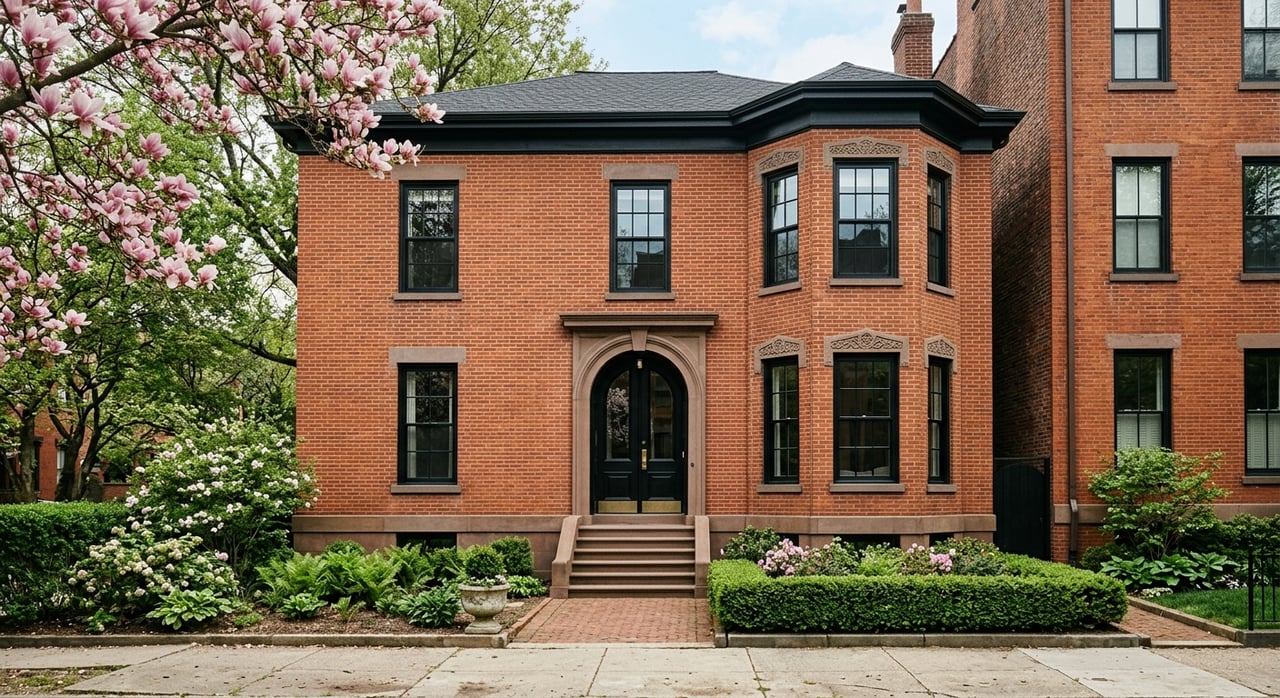
If you are thinking about living in Brookline, you are probably trying to answer one big question: what does daily life actually feel like there? Brookline has a strong reputation, but reputation and real life are not always the same thing. The good news is that Brookline offers a very specific mix of walkability, transit access, green space, and housing variety that appeals to many buyers and renters. Let’s take a closer look at what it’s really like to live in Brookline.
Brookline feels urban and residential
One of the first things you notice about Brookline is that it does not feel like a typical spread-out suburb. The town is about four miles from downtown Boston, and the town itself describes Brookline as a mature suburban residential community with urban characteristics, shaped in part by its history as a streetcar suburb. Boston surrounds Brookline on three sides, which helps explain why it feels closely tied to the city while still having its own identity.
That mix shows up in everyday life. Brookline is dense, with 63,925 residents living on 6.76 square miles of land, according to the town’s overview and Census-based data on the Town of Brookline About page. In practical terms, that means you are more likely to experience Brookline as amenity-rich and connected rather than quiet and spread out.
Village centers shape daily life
Brookline is not organized around one single downtown. Instead, daily life tends to revolve around a series of village centers, each with its own rhythm and mix of shops, services, and gathering spots.
Coolidge Corner offers a classic Brookline hub
According to Brookline planning materials, Coolidge Corner is the town’s principal commercial district. It is a mixed-use area anchored by familiar local amenities like the Coolidge Corner Theatre, Brookline Booksmith, Trader Joe’s, and Coolidge Corner Library.
For many residents, this is part of Brookline’s appeal. You can run errands, pick up groceries, meet a friend, and access transit in one area without needing to plan your whole day around driving.
Brookline Village and Washington Square add variety
Brookline Village and Washington Square are also active neighborhood centers. The town notes that Brookline Village hosts the annual Village Fair on Harvard Street in June, while the Washington Square Association has added benches, planters, garden beds, and an 18-foot Victorian clock to strengthen the public setting.
That village-based layout gives Brookline a more local feel. Rather than one crowded core, you get several commercial areas that can support day-to-day needs depending on where you live.
Busy areas come with tradeoffs
The same features that make these districts appealing can also create competition for space. Brookline’s 2024 Commercial Area Vibrancy Report notes that parklets and public art have been added in Coolidge Corner, Brookline Village, Washington Square, St. Mary’s Station, and JFK Crossing.
At the same time, parking can be tight in the busiest districts. The town reports that commercial parking permits in Brookline Village, Coolidge Corner, JFK Crossing, and St. Mary’s are full and have waiting lists, which is a helpful reminder that convenience here often comes with density.
Getting around is a real advantage
For many people considering Brookline, transportation is one of the biggest lifestyle benefits. If you want options beyond driving, Brookline stands out.
Green Line access supports flexible commutes
The town says the MBTA Green Line is the best way to get to Brookline. The C branch runs along Beacon Street from Cleveland Circle to St. Mary’s, the D branch runs from Reservoir near Cleveland Circle to Chapel Street in the Longwood Medical Area, the B branch serves the north edge of town, and the E branch is accessible from Brookline Village.
That network matters in day-to-day life. Depending on where you live, you may be able to combine walking and transit for commuting, appointments, dining, or events in Boston and nearby neighborhoods.
Multiple travel modes are part of the routine
Brookline is also served by MBTA bus routes 51, 60, 65, and 66, and the town notes that the 66 connects Brookline Village and Coolidge Corner with Boston and Cambridge. The town’s transportation page also lists Bluebikes stations in Brookline Village, Coolidge Corner, JFK Crossing, and Washington Square, along with car-sharing, paratransit, and senior transportation options.
In real life, that means many residents do not rely on just one mode of transportation. You might walk for coffee, take the Green Line to work, bike on the weekend, and keep a car mainly for certain errands or trips.
Green space is built into the town
Brookline’s density often surprises people who expect less access to outdoor space. In reality, parks and open areas are an important part of the town’s day-to-day lifestyle.
Parks support everyday outdoor time
Brookline says its park system ranges from neighborhood playgrounds to large historic landscapes and natural areas. Larz Anderson Park is the largest park in town at more than 65 acres, while Brookline Reservoir Park spans 32 acres around a man-made reservoir that is about one mile in circumference.
This matters if you want easy ways to get outside without planning a full day trip. Whether you are looking for a walk, a playground, open lawn space, or a scenic routine, Brookline gives you several built-in options.
Nature areas add another side of Brookline
The town’s nature sanctuary system includes Hall’s Pond and Amory Woods in North Brookline, Lost Pond Sanctuary in the southwest, and D. Blakeley Hoar Sanctuary behind Baker Elementary School. These areas include wetlands, ponds, streams, and vernal pools and are managed mainly for passive use.
For dog owners, Brookline also runs the Green Dog Program with 14 off-leash areas across town. That combination of parks, sanctuaries, and dog-friendly spaces can make outdoor time feel like part of your normal routine instead of something you save for weekends.
Housing in Brookline is varied and high demand
Brookline’s housing stock is not one-note. If you picture only large historic homes, you are missing a big part of the market.
You will find several housing types
Town housing-plan materials estimate about 28,013 housing units in Brookline. About one-quarter are detached single-family homes, while roughly 75% are multifamily housing, according to the town’s housing plan materials.
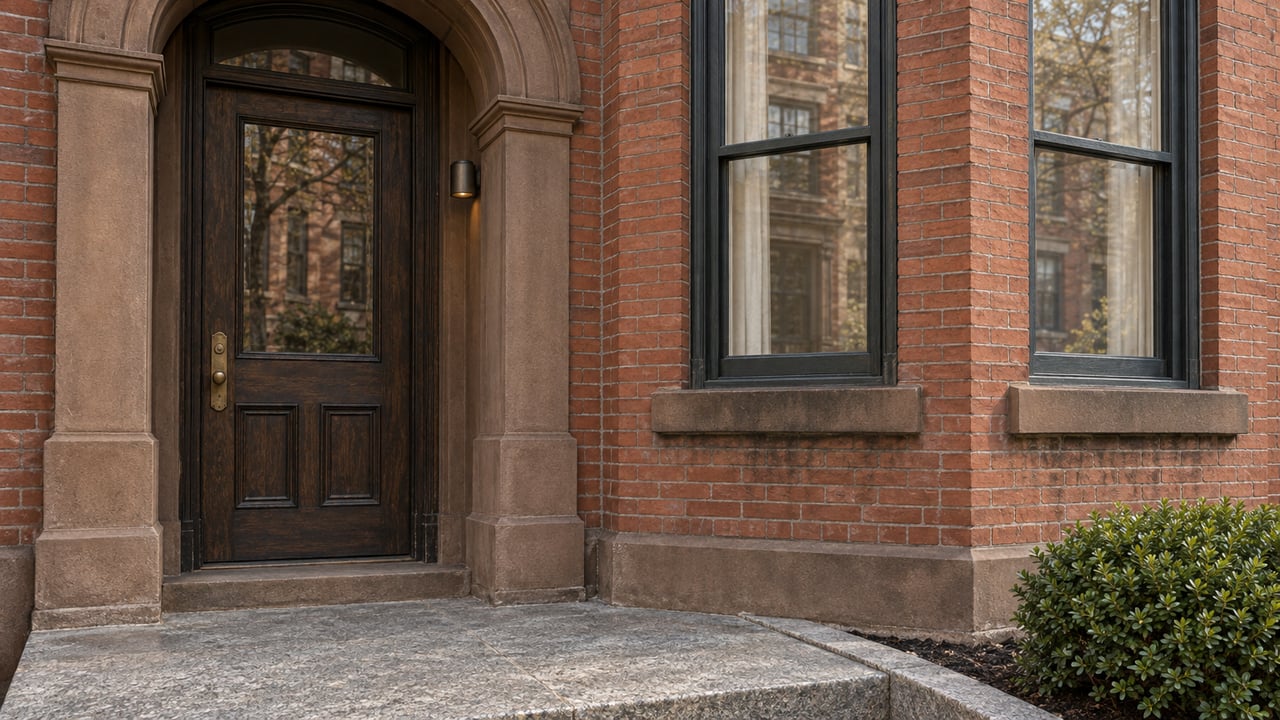
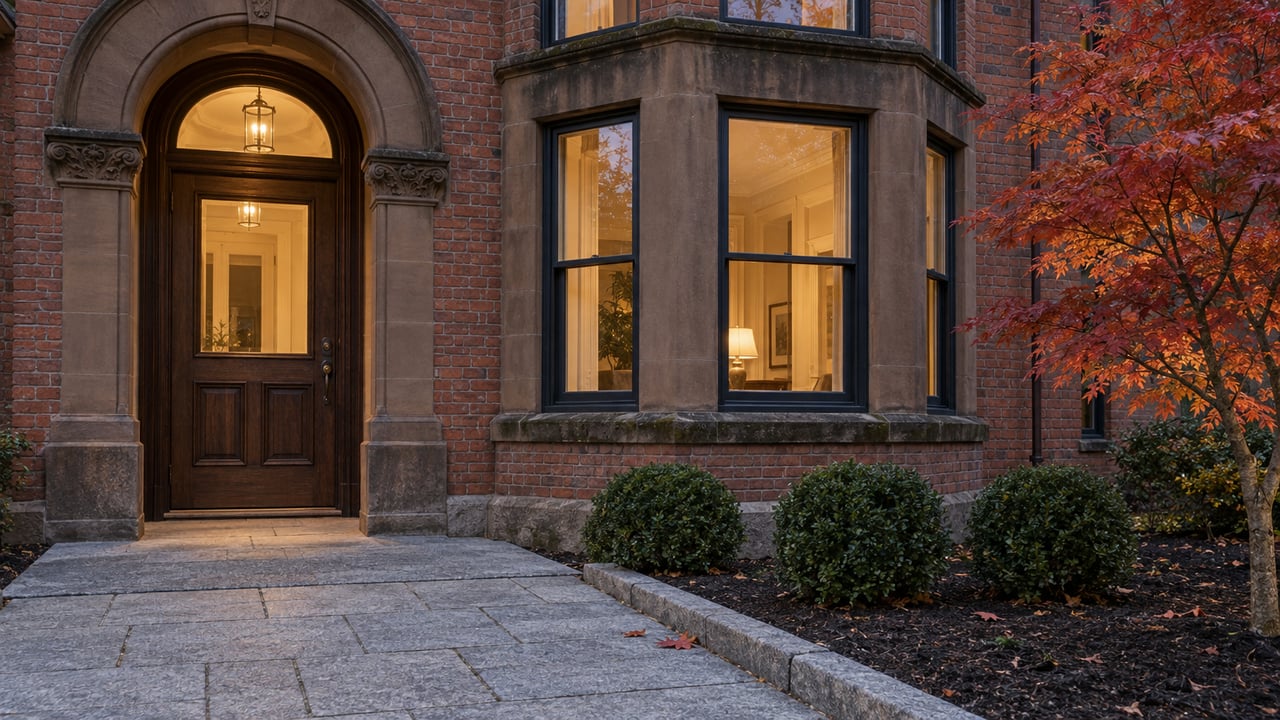
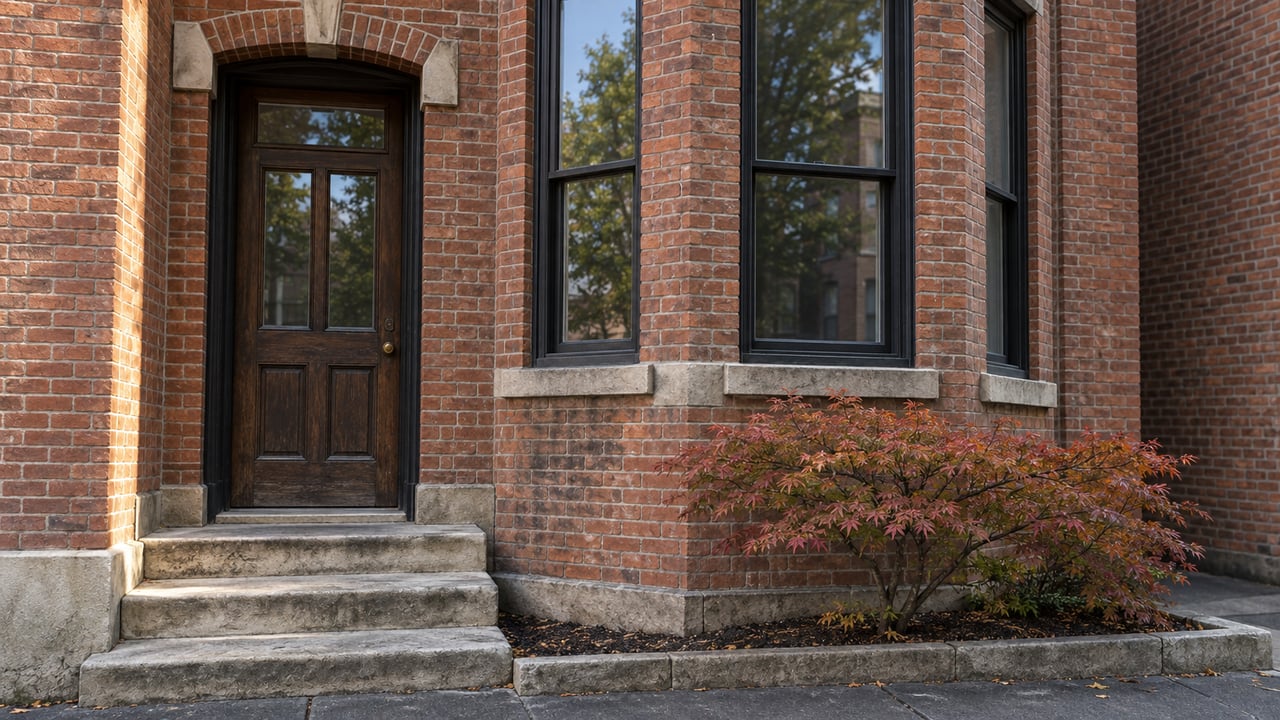
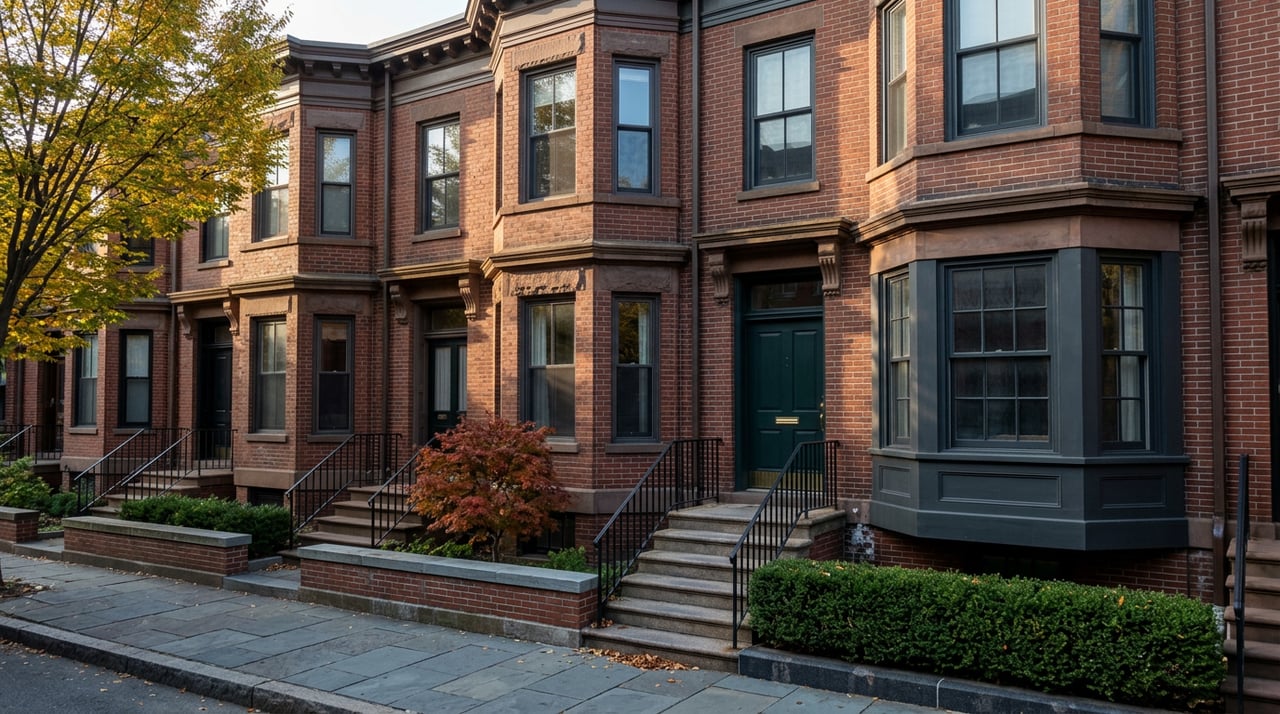
That means Brookline can include Victorian homes, apartment buildings, and single-family neighborhoods side by side. For buyers and renters, this creates a wider range of living options, even though pricing remains high.
The market is expensive by most standards
Brookline is widely experienced as a high-demand, expensive market, and the numbers support that. According to U.S. Census QuickFacts, the median owner-occupied home value is $1,246,800, the median gross rent is $2,835, and the owner-occupied housing rate is 46.9%.
That does not mean Brookline is one-size-fits-all. It does mean that if you are considering a move here, it helps to understand your budget early and compare how different property types and micro-locations fit your goals.
Brookline attracts people who value access
Brookline tends to work especially well for people who want a close connection to Boston without giving up a neighborhood-oriented daily routine. The town highlights its own appeal as a mix of proximity to job opportunities, public transportation, green space, historic preservation, and commercial services on the official Brookline overview page.
Brookline is also diverse and highly educated. The same town summary notes that 27.8% of residents are foreign-born, 31.2% of people age 5 and older speak a language other than English at home, and 85.4% of adults age 25 and older hold a bachelor’s degree or higher.
From a lifestyle perspective, that can translate into a community that feels internationally connected, active, and engaged. If you want a place with a mix of housing types, transportation options, and daily amenities close at hand, Brookline often checks those boxes.
What living in Brookline feels like day to day
So what is it really like to live in Brookline? In simple terms, it feels convenient, active, and structured around neighborhood centers instead of car-dependent sprawl.
You are likely to notice walkable commercial areas, strong transit access, and a built environment that blends historic character with multifamily living and higher density. You are also likely to notice that space comes at a premium and that competition, whether for parking or housing, is part of the experience.
For the right buyer or renter, those tradeoffs are worth it because Brookline offers something that is hard to replicate: a town setting with real city access, everyday amenities, and meaningful green space woven into daily life.
If you are weighing whether Brookline fits your lifestyle, budget, and long-term plans, talking through the neighborhoods block by block can make the decision much clearer. If you want local guidance from someone who knows Brookline deeply, Eric Glassoff can help you evaluate your options with a practical, neighborhood-focused approach.
FAQs
What is daily life like in Brookline for new residents?
- Daily life in Brookline often centers on walkable village districts, Green Line access, nearby parks, and a mix of errands, dining, and commuting options without needing to drive everywhere.
Is Brookline more urban or suburban?
- Brookline is often experienced as a blend of both, with the town describing itself as a mature suburban residential community with urban characteristics.
Is Brookline expensive compared with other areas?
- Yes. Census data show a median owner-occupied home value of $1,246,800 and a median gross rent of $2,835, which reflects Brookline’s high-demand housing market.
What types of homes are common in Brookline?
- Brookline has a mix of housing, including detached single-family homes, apartment buildings, multifamily properties, and older homes such as Victorians.
How do people commute from Brookline?
- Many residents use a combination of MBTA Green Line service, buses, walking, biking, and occasional driving, depending on where they live and work.
Does Brookline have parks and outdoor spaces?
- Yes. Brookline has a broad park system that includes Larz Anderson Park, Brookline Reservoir Park, and several nature sanctuaries, plus off-leash areas through the Green Dog Program.