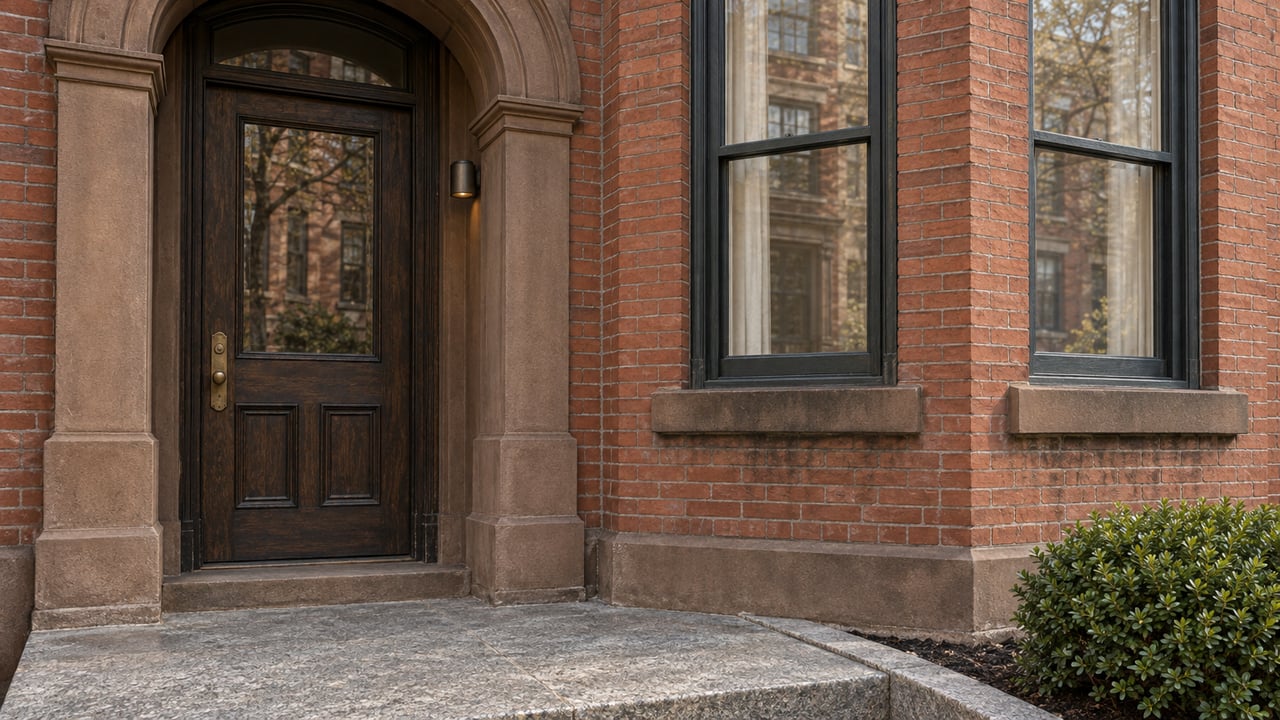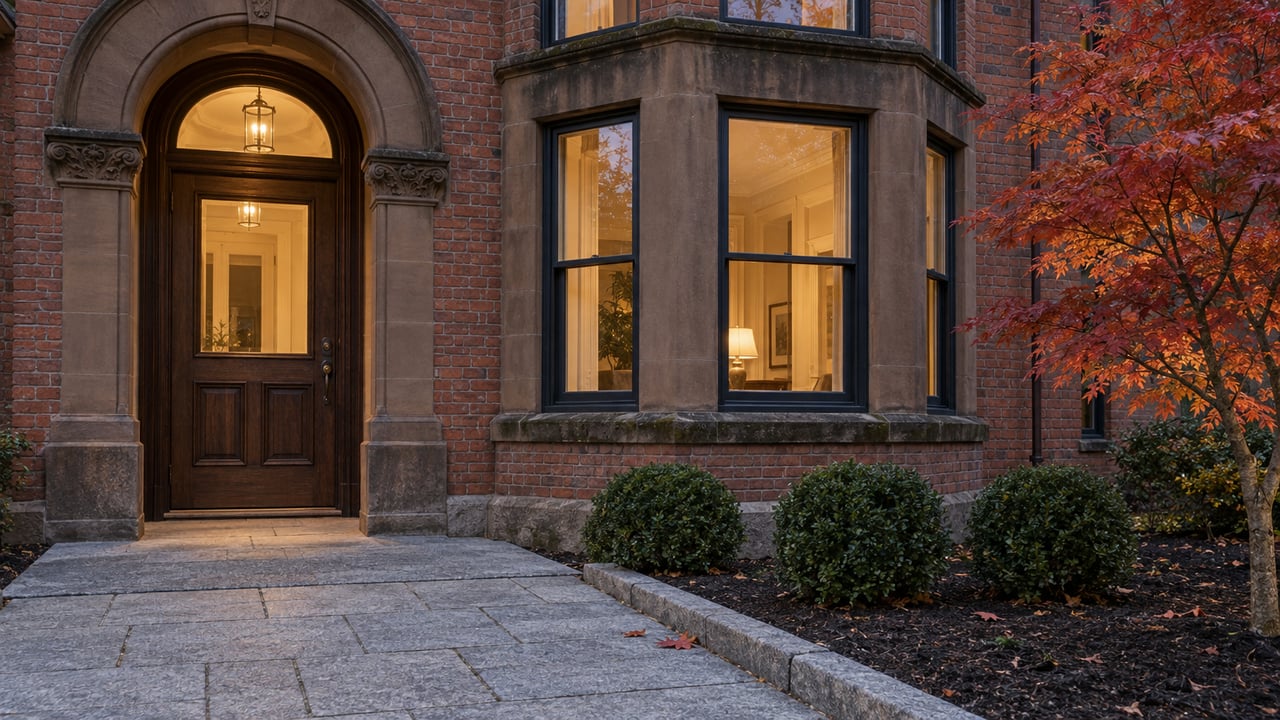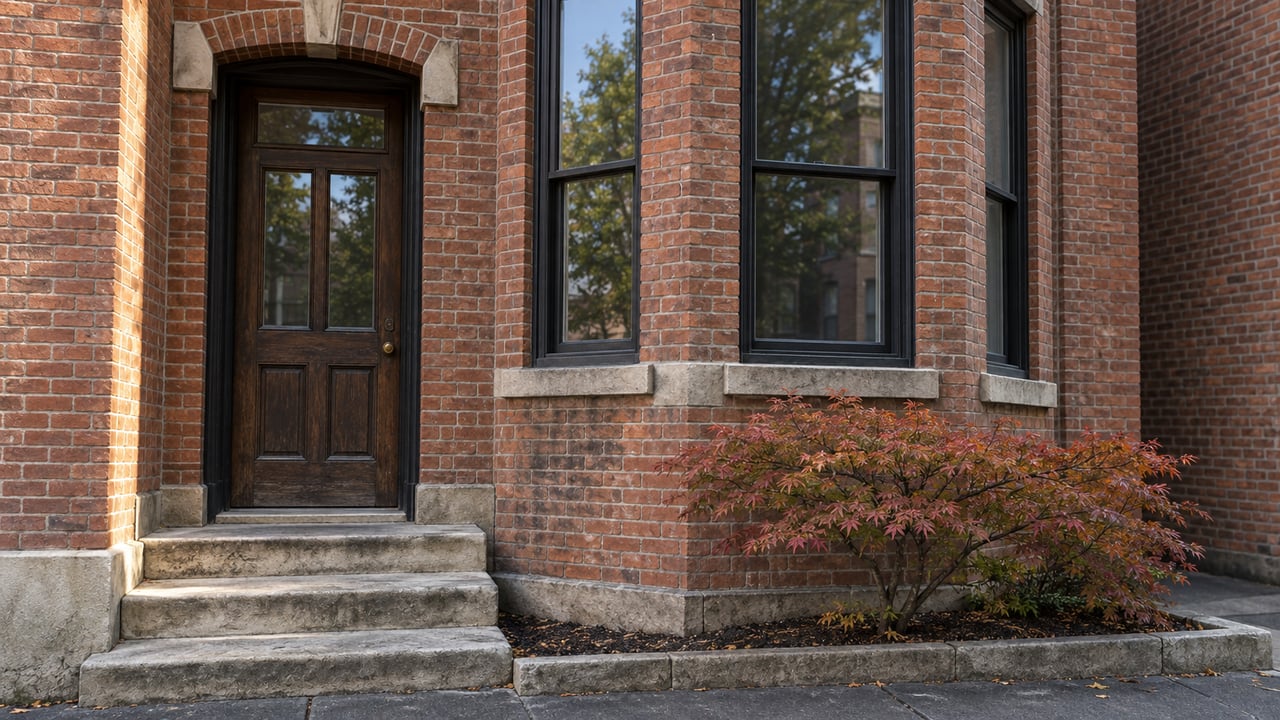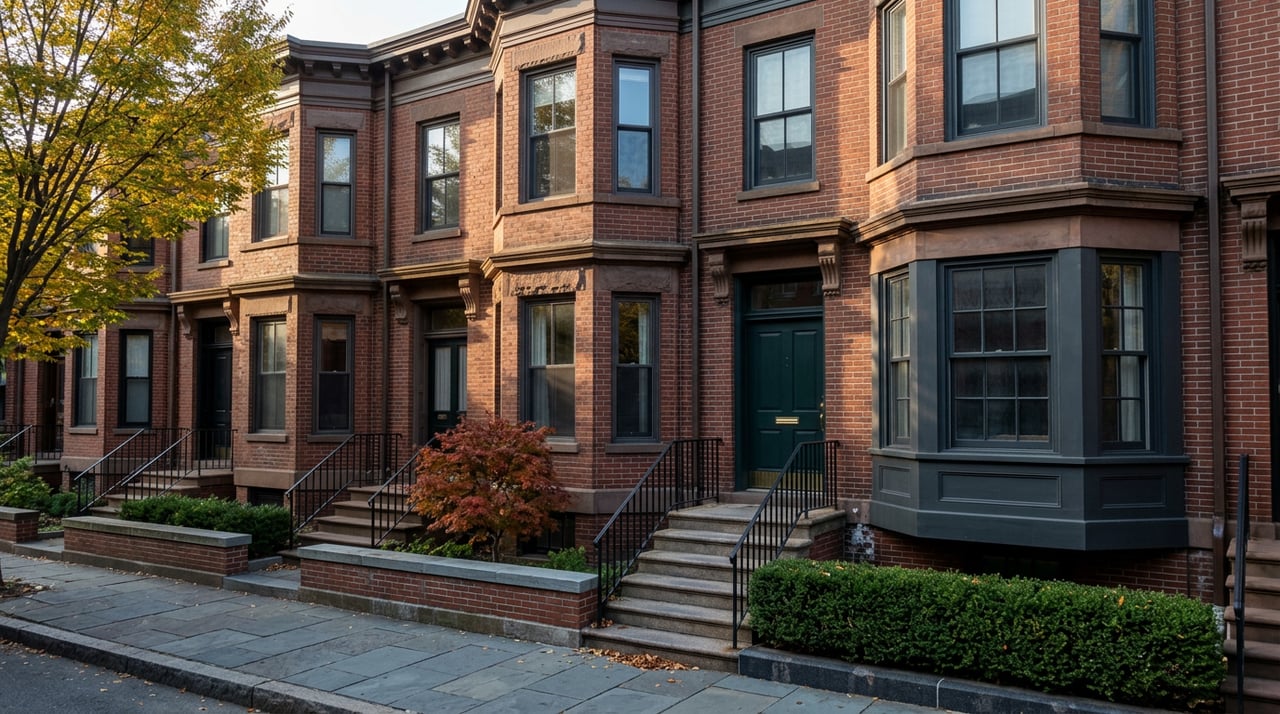
If you have ever walked down Beacon, Marlborough, or Commonwealth and wondered what life is really like behind those iconic façades, you are not alone. A Back Bay brownstone has a certain pull: historic architecture, a central Boston address, and a lifestyle that feels both elegant and practical. If you are considering buying in Back Bay or simply curious about the day-to-day experience, this guide will help you picture what living in a brownstone is actually like. Let’s dive in.
Back Bay Brownstones at a Glance
Living in a Back Bay brownstone means living inside one of Boston’s most recognizable historic environments. Back Bay itself was created through mid-19th-century landfilling that added more than 450 acres of usable land by the 1880s, and the neighborhood was planned as a refined residential district with a strong visual rhythm of rowhouses, setbacks, and cornice lines, according to the Back Bay Architectural District overview.
That planning still shapes how the neighborhood feels today. On many blocks, you get a consistent streetscape of brick and brownstone rowhouses, formal entries, and narrow lots that create a distinctly urban but polished atmosphere. Some streets feel primarily residential, while others sit closer to the mixed-use energy of Boylston or Newbury, which reflects the neighborhood’s historic shift over time.
The Street Life Feels Exceptionally Walkable
One of the biggest lifestyle draws is how easy it is to live with much of the city at your doorstep. The City of Boston identifies Newbury Street, Boylston Street, and Commonwealth Avenue as key Back Bay corridors, along with major landmarks like Trinity Church, the Boston Public Library, the Prudential Center, and the John Hancock Tower in the neighborhood mix, as noted on the city’s Back Bay neighborhood page.
In practical terms, that often means your daily routine can be very walkable. You may be able to pick up groceries, meet friends for dinner, stop for coffee, run errands, and get to transit without needing to drive. For many buyers, that convenience is a major reason Back Bay feels different from other parts of Greater Boston.
Outdoor Space Is Closer Than You Think
Although Back Bay is dense and urban, it also offers easy access to meaningful green space. The Charles River Esplanade is one of the neighborhood’s biggest lifestyle assets, and Boston describes it as part of the Charles River Reservation. Mass.gov notes that the reservation supports walking, biking, running, boating, and other recreation, which adds a valuable outdoor counterbalance to city living.
That proximity matters in everyday life. A quick walk to the Esplanade can become part of your morning routine, a post-work reset, or a weekend habit. If you want a central Boston address without giving up access to open air and recreation, that is a real advantage.
Transit Can Make Car-Light Living Easier
Back Bay also works well for people who want flexible transit options. The city points to nearby Green Line access as well as Back Bay Station, which connects to the Orange Line, commuter rail, and Amtrak, according to information on Open Newbury and nearby transit access.
That kind of connectivity can make commuting and regional travel simpler. It also supports a lifestyle where owning a car may feel optional rather than essential for some residents. Events like Open Newbury, when parts of Newbury Street periodically become car-free, also reinforce how pedestrian-focused the neighborhood can feel.
Inside a Brownstone: Elegant but Vertical
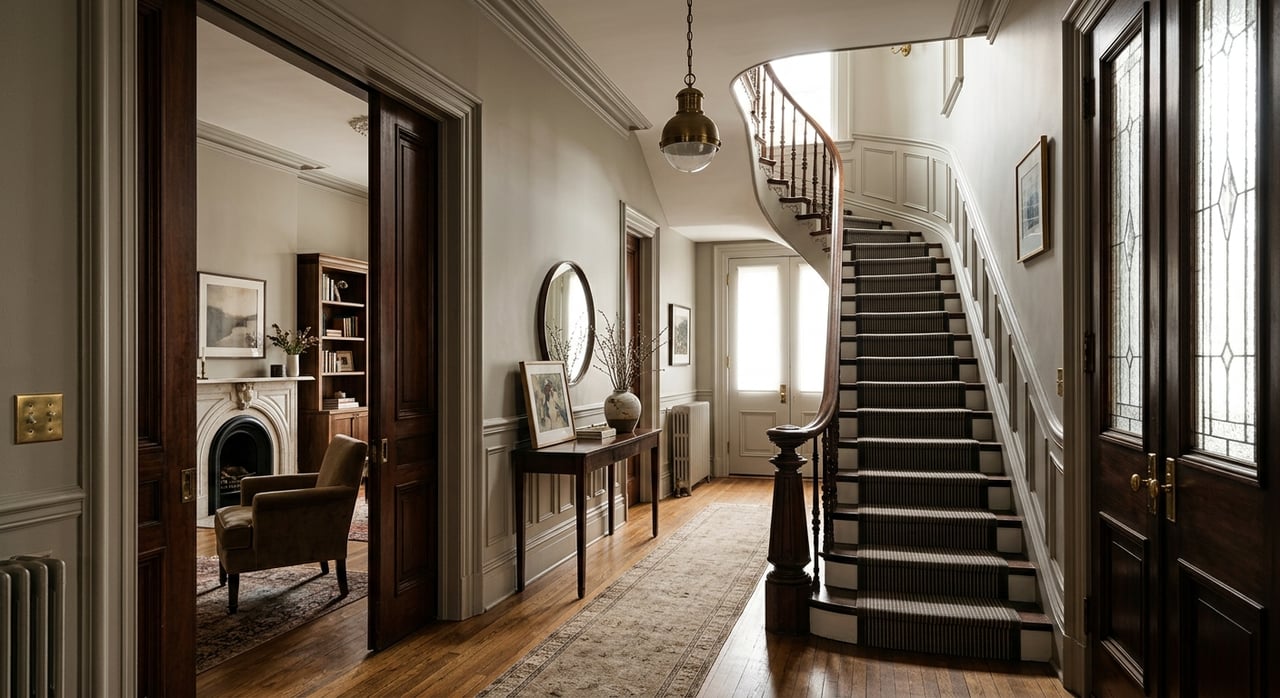
The charm of a Back Bay brownstone is real, but so are the layout realities. Traditional rowhouses are typically narrow and vertical, often with a side hall, a stair running along one party wall, a front parlor or living room, a dining room behind it, and kitchens historically placed toward the rear or lower level, according to National Park Service guidance on historic rowhouse interiors.
That layout creates a different living experience than a newer condo building or a suburban house. Rooms can feel gracious and full of character, but the home often unfolds floor by floor rather than across a broad footprint. If you love original detail and distinct spaces, this can feel special. If you want a very open, single-level layout, it may take some adjustment.
Expect Stairs and Defined Rooms
In many brownstones, stairs are simply part of daily life. A Back Bay-specific example, the Gibson House on Beacon Street, sits on a narrow 22-by-112-foot lot and rises five stories above a raised basement. That is a useful reminder that these homes were designed for vertical living.
You may find tall ceilings, fireplaces, detailed trim, original floors, and formal front rooms that feel timeless. At the same time, you may also have narrower rooms, more separation between living areas, and multiple levels to navigate every day. For some buyers, that is part of the appeal. For others, it is one of the main tradeoffs to weigh.
Not Every Brownstone Lives the Same Way
It is also important to know that “brownstone” does not describe one single ownership or layout type. As the National Park Service notes, some rowhouses were built as single-family homes, while others included multiple units or were later adapted for different uses. In Back Bay today, a brownstone may be a townhouse, a condo within a conversion, or part of a mixed-use building.
That means your day-to-day experience can vary significantly from one property to the next. One buyer may be considering an upper-floor condo with classic detail and shared building systems, while another may be looking at a full townhouse with more privacy and more maintenance responsibility.
Historic Character Comes With Rules
One of the defining realities of owning in Back Bay is that you are buying into a protected historic district. Exterior work is subject to review by the Back Bay Architectural District Commission, and the city’s guidelines are designed to preserve important exterior features such as façades, stoops, porches, entryways, roofs, and rear-yard character.
For buyers, this is not a negative so much as an important part of ownership. The same review process that can make changes more involved also helps preserve the neighborhood character that makes Back Bay so desirable in the first place.
Renovations Need Planning
If you are dreaming about major exterior updates, it is smart to go in with realistic expectations. The city’s preservation guidelines make clear that changes to visible exterior elements are not casual projects. Features like rear-yard areas, parking spaces, roof elements, and other secondary spaces may also fall within the review process.
In practical terms, that means ideas like skylights, roof decks, or rear additions may be possible in some situations, but they generally require review before work begins. If you are buying a brownstone with plans to renovate, due diligence matters.
Parking Is Often the Biggest Lifestyle Compromise
For many residents, parking is the clearest tradeoff in Back Bay living. The neighborhood is dense, curb space is limited, and Boston actively manages parking access. In March 2024, the city removed 125 parking meters in Back Bay, with most of those spaces converted to Back Bay Resident Permit Parking, plus some overnight resident parking, 30-minute meters, and extended metered parking, according to the city’s update on Back Bay parking and curb access changes.
That change helps some local residents, but it does not make parking effortless. If you own a car, it is important to think ahead about where it will actually go and how often you plan to use it.
Resident Parking Has Limits
Boston notes that many residential streets are Resident Parking Only, and resident permits are free. However, the permit is tied to a specific vehicle and neighborhood, and the city also states clearly that there is no visitor parking permit in Boston.
That last point is especially important if you expect regular guests or family visits by car. Resident parking can help with your own vehicle, but guest parking may still require planning, paid parking, or flexibility.
Off-Street Parking Can Be a Major Plus
If having a car is important to you, off-street parking can carry real value. The city notes nearby garage options in the Copley Square area south of Boylston Street and on Exeter Street at Newbury, as referenced on the Open Newbury information page.
For buyers comparing properties, dedicated parking or easy garage access can meaningfully improve daily convenience. In Back Bay, that is not a small detail. It can be one of the most practical factors in your decision.
The Best Fit for Back Bay Brownstone Living
Back Bay brownstone living tends to suit buyers who value architecture, walkability, and a true city lifestyle. If you like historic detail, do not mind stairs, and want to be close to restaurants, shopping, transit, and the Esplanade, the experience can be hard to replicate elsewhere in Boston.
It may be less ideal if you want easy parking, minimal maintenance concerns, or a very open suburban-style layout. The key is understanding the tradeoffs before you buy so the charm matches your everyday needs.
Why Expectations Matter When You Buy
The most successful brownstone buyers usually come in with clear eyes. They appreciate the character-defining details, understand the realities of historic ownership, and know that location and architecture often outweigh certain conveniences. That mindset tends to lead to better decisions and fewer surprises.
If you are considering a Back Bay brownstone, it helps to evaluate not just the beauty of the home but also the specifics of the building type, parking setup, renovation limitations, and block-by-block feel. If you want guidance comparing Back Bay options or weighing city living against nearby neighborhoods, Eric Glassoff can help you make a confident, informed move.
FAQs
What is daily life like in a Back Bay brownstone?
- Daily life usually feels very walkable and urban, with easy access to Newbury Street, Boylston Street, transit, and the Charles River Esplanade, plus the character of a historic rowhouse setting.
What should buyers expect inside a Back Bay brownstone?
- Buyers should expect narrow, vertical layouts with stairs, defined rooms, and original features that may include fireplaces, trim, tall ceilings, and older floor plans that differ from newer construction.
What are the renovation rules for Back Bay brownstones?
- Exterior changes generally require review by the Back Bay Architectural District Commission, especially when they affect façades, stoops, roofs, rear yards, or other historically important features.
What is parking like for Back Bay brownstone residents?
- Parking is limited and managed closely, with many streets designated for resident parking only, no visitor parking permit available, and off-street parking or garage access often adding meaningful convenience.
Are all Back Bay brownstones single-family homes?
- No. A Back Bay brownstone may be a single townhouse, a condo conversion, or part of a mixed-use building, so ownership structure and layout can vary widely from property to property.