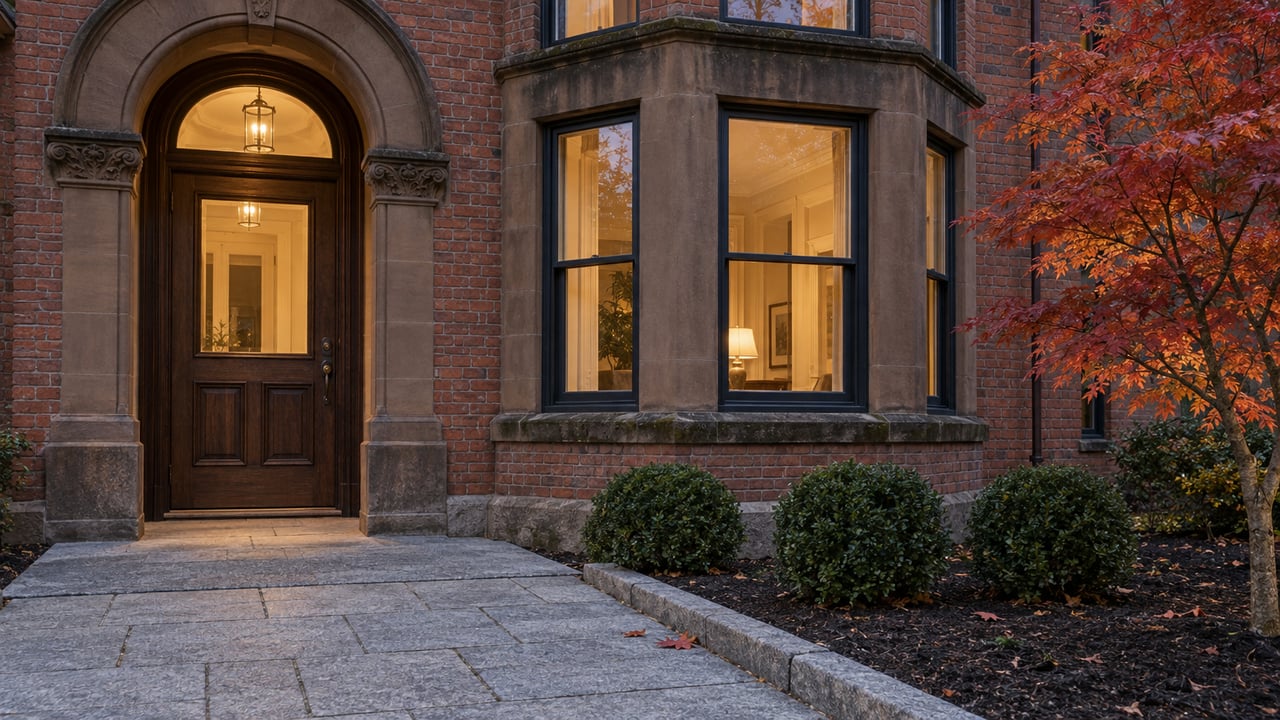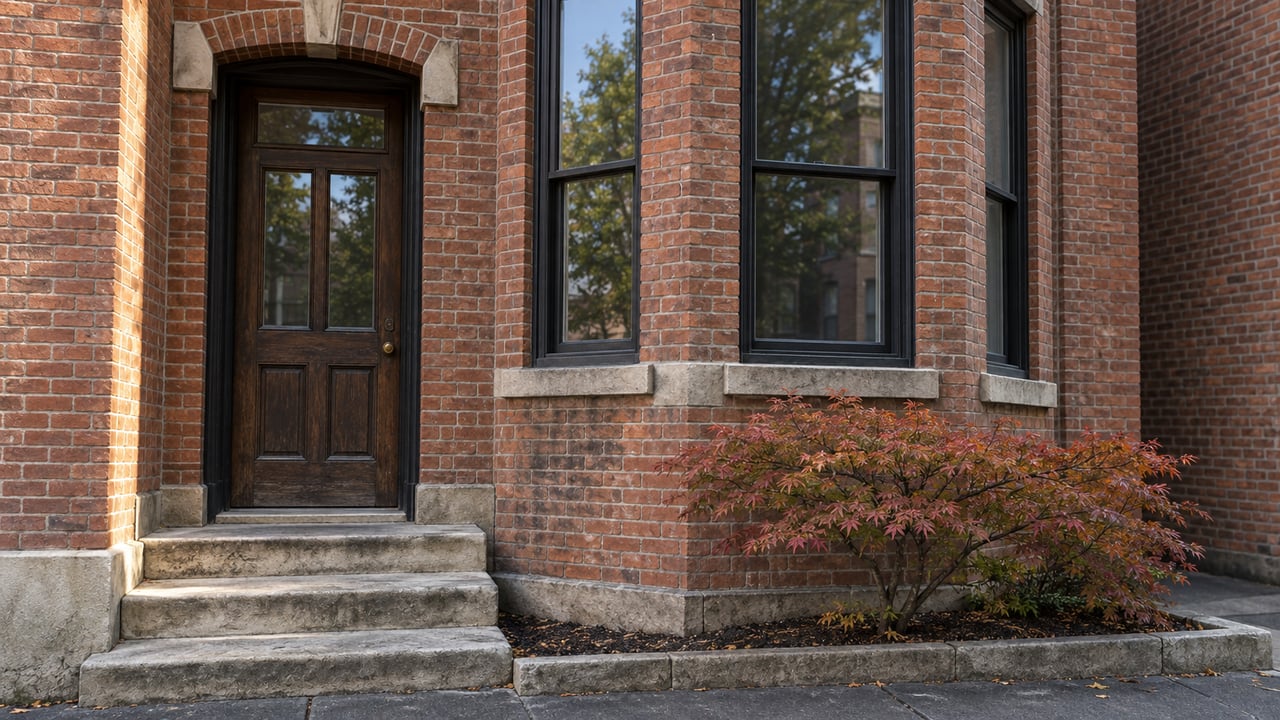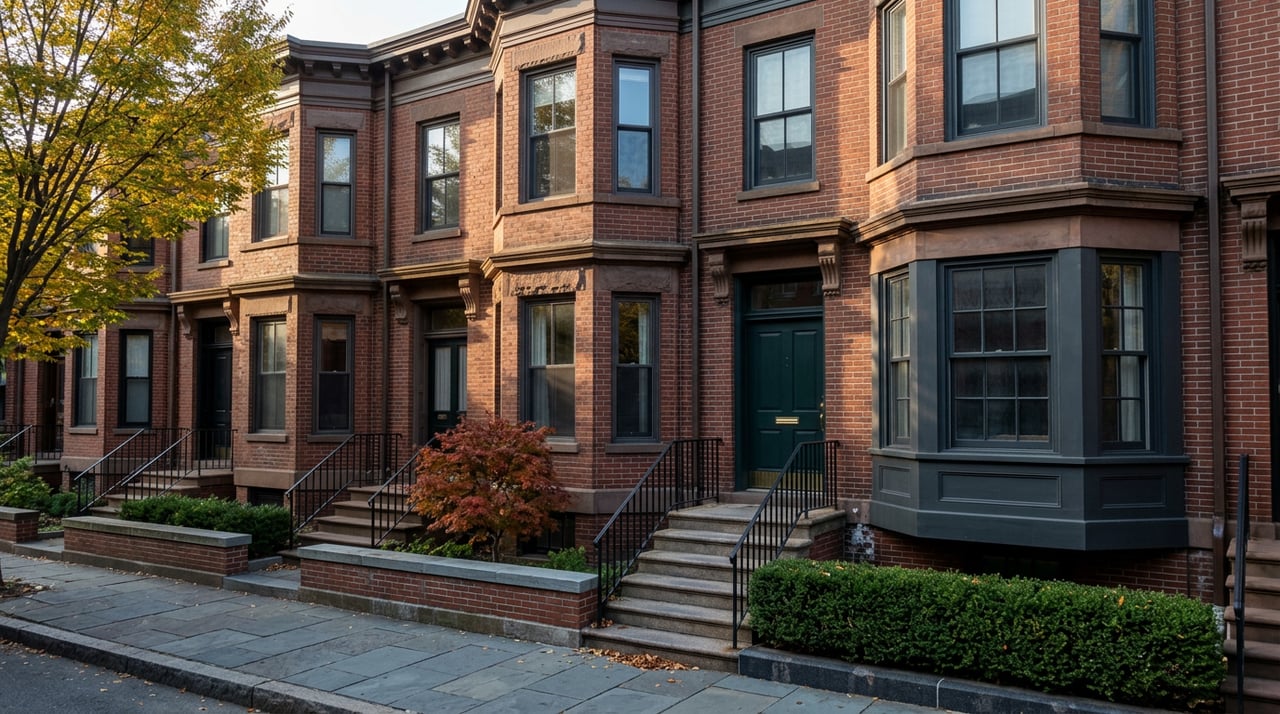
If you are moving to Newton, one of the first things to understand is that you are not choosing just a city. You are often choosing a village lifestyle. That can feel confusing at first, especially if you are comparing a few areas from a distance, but it also gives you more ways to match your home search to how you actually want to live. In this guide, you will get a practical look at how Newton’s village system works, what daily life can feel like in a few key villages, and how to narrow your search with more confidence. Let’s dive in.
Why Newton Feels Different
Newton is about seven miles west of downtown Boston, but it does not revolve around one central downtown. According to the City of Newton, the city is made up of thirteen distinctive villages, each with its own commercial center, housing pattern, and day-to-day rhythm.
That village structure matters because in Newton, location names are more than labels on a map. They often point to different experiences with shops, transit, housing types, and neighborhood scale. If you are relocating, this can help you focus on the places that fit your routine rather than trying to evaluate Newton as one uniform market.
Newton is also a largely residential city with substantial open space. The city reports that 19.6% of its land area is open space, with roughly 1,200 acres of parkland, playgrounds, school grounds, and burial grounds. That mix helps explain why many buyers experience Newton as a combination of village-scale convenience and broader suburban green space.
Citywide housing numbers also provide useful context. Current Census Bureau data cited by the city show a population of about 90,700, a 70.0% owner-occupied housing rate, and a median owner-occupied home value of $1,264,900. In plain terms, Newton is a mature, high-value, owner-heavy market.
How Newton’s Village System Works
The City of Newton explains that its commercial areas fall into several categories, including village centers and neighborhood centers. Village centers are generally the larger mixed-use hubs, often with 50 to 100 storefronts and up to 1 million square feet of commercial space. Neighborhood centers are smaller, usually with fewer than 50 storefronts and a more convenience-driven mix.
For you as a buyer, that distinction can be very helpful. A village center may offer a stronger sense of daily bustle, more dining and shopping choices, and a more established destination feel. A neighborhood center may feel quieter and more local, while still giving you practical everyday services nearby.
It is also worth knowing that Newton’s village centers are not standing still. In December 2023, the City Council passed the Village Center Overlay District, which allows by-right housing and commercial opportunities near transit, amenities, and gathering spaces. That does not mean every block will change, but it does mean some village edges and commercial areas may evolve over time.
Newton Centre Lifestyle
Newton Centre at a glance
Newton Centre is often the easiest village for newcomers to understand because it functions as one of the city’s clearest all-around hubs. Historically, it grew from the approximate center of town and later expanded with improved rail service in the 1870s, which helped shape it into a commuter-oriented village with a strong identity.
Today, the city classifies Newton Centre as a village center. That means a larger commercial core, a mix of older and newer buildings, and sidewalks that support moderate pedestrian traffic. The general setup supports a more active daily rhythm than many smaller village areas.
What daily life feels like
If you want a fuller mix of shops, dining, and public gathering space, Newton Centre is usually one of the first places to explore. The city’s Newton Centre Pilot Plaza reflects that role by emphasizing a place to gather, celebrate, and connect, with outdoor dining, seating, lighting, public art, events, and nearby municipal and street parking.
For many buyers, this translates into a village where errands, dining out, and meeting up with friends can happen close to home. It feels more like a true everyday center than a simple pass-through retail strip. If walkability to a busy local hub is high on your list, this is one of the most natural fits in Newton.
Housing in Newton Centre
Newton Centre tends to read as one of the more single-family-oriented parts of the city. A Newton housing study based on 2010 census tract data found that the Newton Centre tract was more than 90% single-family housing and more than 86% owner-occupied.
That does not mean every option is a detached home, but it does suggest a strong pattern. If your search is centered on owner-occupied, detached housing with a substantial village core nearby, Newton Centre is likely to stay on your shortlist.
Newton Highlands Lifestyle
Newton Highlands at a glance
Newton Highlands developed later than Newton Centre and grew rapidly after improved commuter service arrived in the second half of the 19th century. The city notes a residential fabric that includes late-19th-century styles such as Italianate, Mansard, Stick Style, and Queen Anne homes.
Unlike Newton Centre, Newton Highlands is classified by the city as a neighborhood center. That means it is smaller in scale, with a convenience-focused business mix and a more compact commercial feel. For some buyers, that smaller footprint is exactly the appeal.
What daily life feels like
Newton Highlands often suits buyers who want a village center that feels local and easy to navigate. The business mix is geared toward convenience and light shopping, including banks, small goods, salons, boutiques, and restaurants. You may not get the same scale as Newton Centre, but you may find a more intimate day-to-day experience.
Hyde Community Center plays an important role in the village, and the city is actively working on enhancements that include improved sidewalks and roadways, gathering spaces, benches, lighting, art, landscaping, and historic markers. These public improvements support the idea of a village designed around walkability and community use.
Transit and accessibility improvements
Transit is another major part of the Newton Highlands story. The MBTA-led station project includes ADA-compliant ramps and access paths from Walnut Street, Hyde Street, and Station Avenue, along with level boarding platforms, lighting, benches, directional signage, security cameras, and bicycle shelters.
If transit access matters to your home search, those improvements are worth noting. They show that Newton Highlands is not only established but also actively being updated to support more comfortable daily movement.
Housing in Newton Highlands
Housing in Newton Highlands is more mixed than in Newton Centre. The city’s housing study found that roughly a quarter of the housing stock was in buildings with five or more units, and the village also had a notable amount of two- to four-unit housing.
That gives you a broader range of housing forms near the center. If you want a Newton location that can offer more compact options alongside a strong residential setting, Newton Highlands may deserve a closer look.
West Newton Lifestyle
West Newton at a glance
West Newton has one of the oldest village identities in the city. Its history is closely tied to transportation, first as a stop on the Natick Road and later as a railroad stop after 1834. Over time, it also took on a stronger civic role, including the relocation of town hall in 1848.
The city classifies West Newton as a village center, which places it in the larger mixed-use category. It offers a more traditional square-based identity, and that can feel distinct from other parts of Newton if you are drawn to historic village character.
What daily life feels like
West Newton often appeals to buyers who want a combination of history, civic presence, and commuter orientation. West Newton Square is the focus of an active enhancement project aimed at improving safety, convenience for all travel modes, the pedestrian experience, village character, and the business climate.
The city also notes that West Newton remains the location of police headquarters and the local district courthouse. That civic presence can make the area feel especially established and institutionally anchored within the city.
Transit and historic character
Transit is a major reason many buyers consider West Newton. The city states that commuter rail service is available on the Worcester/Framingham line, with Newton stops at Auburndale, West Newton, and Newtonville, and the city is working with the MBTA on accessibility upgrades at those stations.
West Newton also sits within the West Newton Village Center Historic District, which was listed on the National Register of Historic Places in 1990. If you are looking for a village with a commuter rail connection and a traditional historic square, West Newton offers a strong combination.
How To Compare Newton Villages
When buyers first start looking in Newton, they often compare price, square footage, and commute time. Those are important, but they do not tell the whole story. In Newton, it also helps to compare the kind of daily routine each village supports.
A simple way to think about it is this:
- Newton Centre often fits buyers who want the fullest village-center experience with a broad mix of shops, dining, public gathering space, and Green Line access.
- Newton Highlands often fits buyers who want a smaller, neighborhood-centered feel, a more mixed housing profile, and visible transit and streetscape improvements.
- West Newton often fits buyers who want commuter rail access, a historic square, and a more civic, traditional village identity.
These are practical lifestyle inferences based on the city’s classifications, housing patterns, and public projects. They are not formal rankings. The best fit depends on how you want your everyday life to work.
Why The Exact Block Matters
One of the smartest ways to approach Newton is to research the exact block, not just the village name. The city’s village system is intentionally varied, and housing stock can shift quickly from one pocket to another.
You may find a busy, mixed-use stretch near a village core and a much quieter residential feel only a few turns away. Public investment can also affect how a location functions over time, especially in and around village centers where streetscape and transit improvements are underway.
That is why a local, block-by-block perspective matters so much in Newton. A broad village match can point you in the right direction, but the right street often determines whether a home truly fits your lifestyle, budget, and long-term plans.
A Practical Way To Start Your Search
If you are early in the process, start by identifying what matters most in your weekly routine. Do you want a more active village center, a smaller convenience-oriented hub, or commuter rail access tied to a historic square? Once you answer that, the Newton map gets much easier to read.
From there, compare housing type, proximity to village amenities, and transit options on a very local level. This kind of focused search can save time and help you avoid falling for a village name that sounds right but does not quite match how you want to live.
If you want help sorting through Newton at the village and block level, working with an experienced local advisor can make the process much more efficient. Eric Glassoff offers neighborhood-focused guidance, relocation support, and clear advice to help you compare Newton’s villages with confidence.
FAQs
What makes Newton different from other Boston-area communities?
- Newton is organized around thirteen distinct villages rather than one central downtown, so your experience can vary a lot depending on the specific village and block you choose.
What is the difference between a Newton village center and a neighborhood center?
- According to the City of Newton, village centers are larger mixed-use hubs with more storefronts and commercial activity, while neighborhood centers are smaller and more convenience-oriented.
What kind of lifestyle does Newton Centre offer?
- Newton Centre generally offers one of Newton’s fullest village-center experiences, with a larger commercial core, public gathering spaces, dining, shopping, and a housing pattern that is strongly oriented toward single-family homes.
What kind of housing can you find in Newton Highlands?
- Newton Highlands has a more mixed housing profile than Newton Centre, including a meaningful share of larger multi-unit buildings as well as two- to four-unit housing near its neighborhood center.
Why do some buyers consider West Newton first?
- West Newton often stands out for its commuter rail access, historic square, civic presence, and traditional village-center identity.
Why should you research the exact block in Newton?
- Newton’s village names are helpful, but conditions can change quickly from one pocket to the next, so the exact block often has a big impact on walkability, housing type, and overall lifestyle fit.