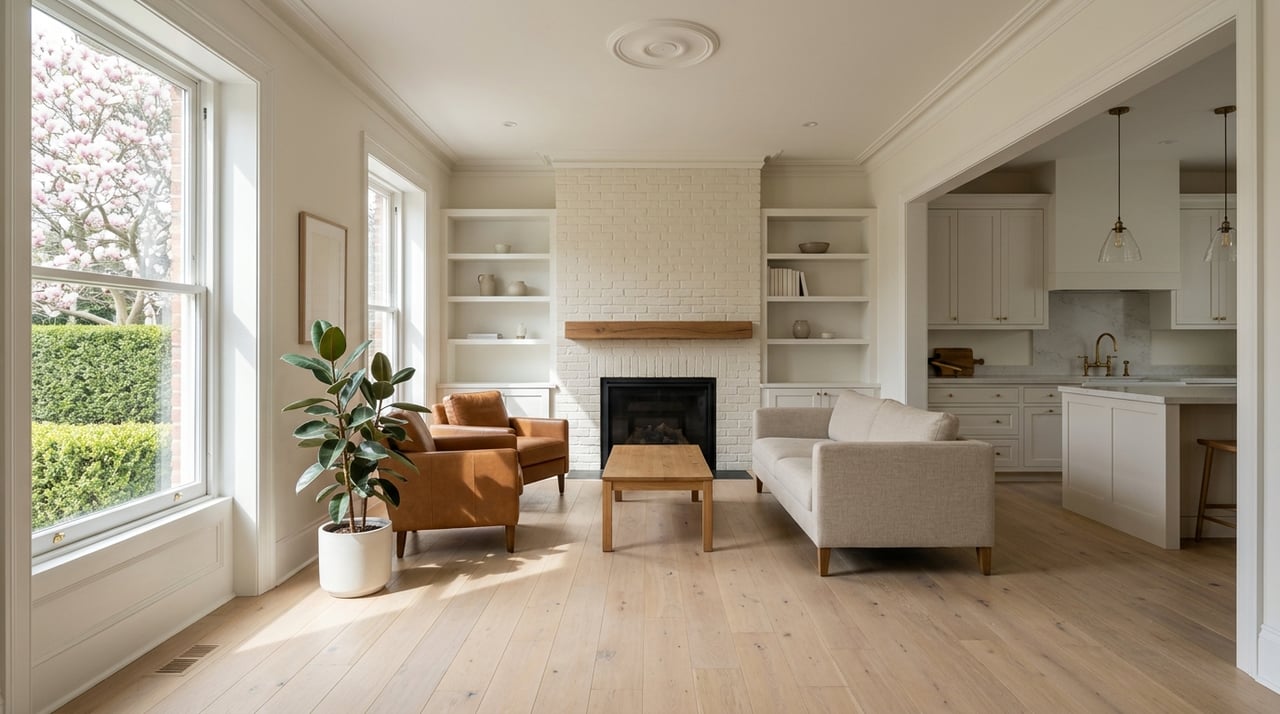
Wondering why one Newton home feels formal and orderly while another feels bright, casual, or full of quirky charm? In this market, architectural style is not just about curb appeal. It often shapes how you move through the house, where natural light lands, and how easily the layout fits your day-to-day life. If you are buying or selling in Newton, it helps to understand not only what style you are looking at, but also how that style tends to live. Let’s dive in.
Why Newton Has So Many Home Styles
Newton’s housing stock is unusually varied because the city grew in layers. According to the Massachusetts Historical Commission survey, suburban development began after the railroad arrived in 1834, with early growth centered around places like Newtonville, West Newton, and Auburndale. Later, streetcar routes and commuter depots helped shape additional neighborhoods, and by 1915 much of the area north of Boylston Street had already been built up.
That long timeline matters when you walk through Newton today. Instead of one dominant era of construction, you see late-19th-century homes, early-20th-century revival styles, and postwar houses often within a short drive of each other. For buyers, that means more choice. For sellers, it means style and setting play a big role in how your home is positioned.
Newton also has a strong preservation presence. The city says it has four Local Historic Districts and 235 National Register-listed districts and individual properties, so historic context is a practical part of homeownership here, not a niche detail.
Why Style Matters in Daily Living
When people talk about architecture, they often focus on exterior features. In real life, most buyers care just as much about whether a home feels open or enclosed, formal or relaxed, bright or cozy. That is where style becomes useful.
Newton’s own mid-century survey notes that style labels can overlap, especially for homes built between 1940 and 1960. So rather than getting stuck on the perfect label, it often helps to think in terms of how a house lives. That means looking at room flow, ceiling height, window placement, stair layout, and how the house sits on its lot.
Colonial and Colonial Revival in Newton
Where You’ll See Them
Colonial and Colonial Revival homes are common in Waban, Chestnut Hill, and on blocks north of Commonwealth Avenue. The Massachusetts Historical Commission survey also notes Colonial Revival homes in 1920s neighborhoods around Waban, Oak Hill, and Chestnut Hill.
How They Usually Look
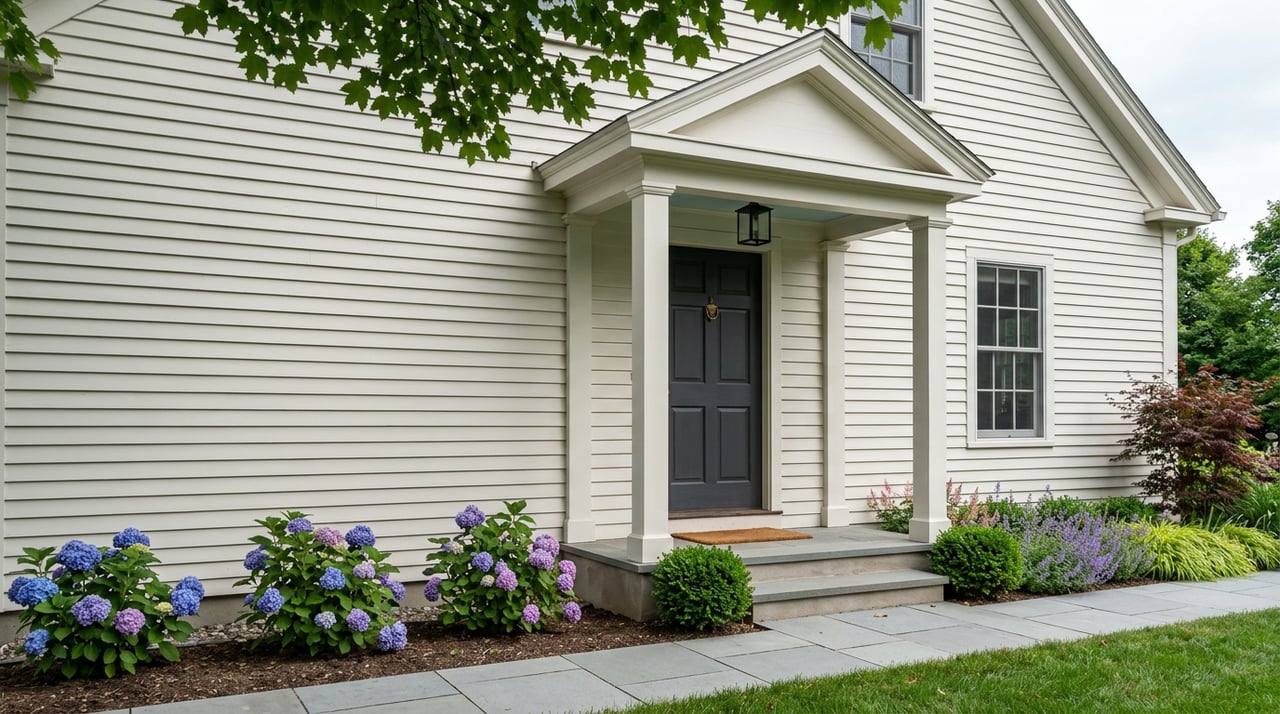
These homes typically have symmetrical facades, centered front entries, and evenly aligned windows. Historic Colonial and Georgian houses are often two rooms deep, while Colonial Revival homes borrow that symmetry but usually have larger proportions and more substantial trim.
How They Tend to Live
If you like structure and predictability, this style often delivers. Colonial and Colonial Revival homes usually feel more formal, with clearer separation between living spaces, dining rooms, and other daily-use rooms.
That can work especially well if you want privacy, distinct rooms, or space that can be closed off for work, guests, or quieter evenings at home. The tradeoff is that some homes may feel less open than later designs. Colonial Revival versions are often somewhat more open than true historic Colonials, but they still tend to feel orderly rather than casual.
Victorian-Era Homes in Newton
Where You’ll See Them
Newton’s older village centers, including Newton Corner, Newton Centre, Newtonville, West Newton, and Auburndale, have many Victorian-era houses. In Newton, “Victorian” is really an umbrella for several styles, including Italianate, Second Empire, Stick, Queen Anne, and Shingle.
How They Usually Look
These homes often have more visual complexity than Colonial houses. Queen Anne homes are typically asymmetrical and may include bay windows, wraparound porches, towers or turrets, and irregular floor plans. Shingle Style homes often use large, flowing forms wrapped in continuous shingles and were often architect-designed.
How They Tend to Live
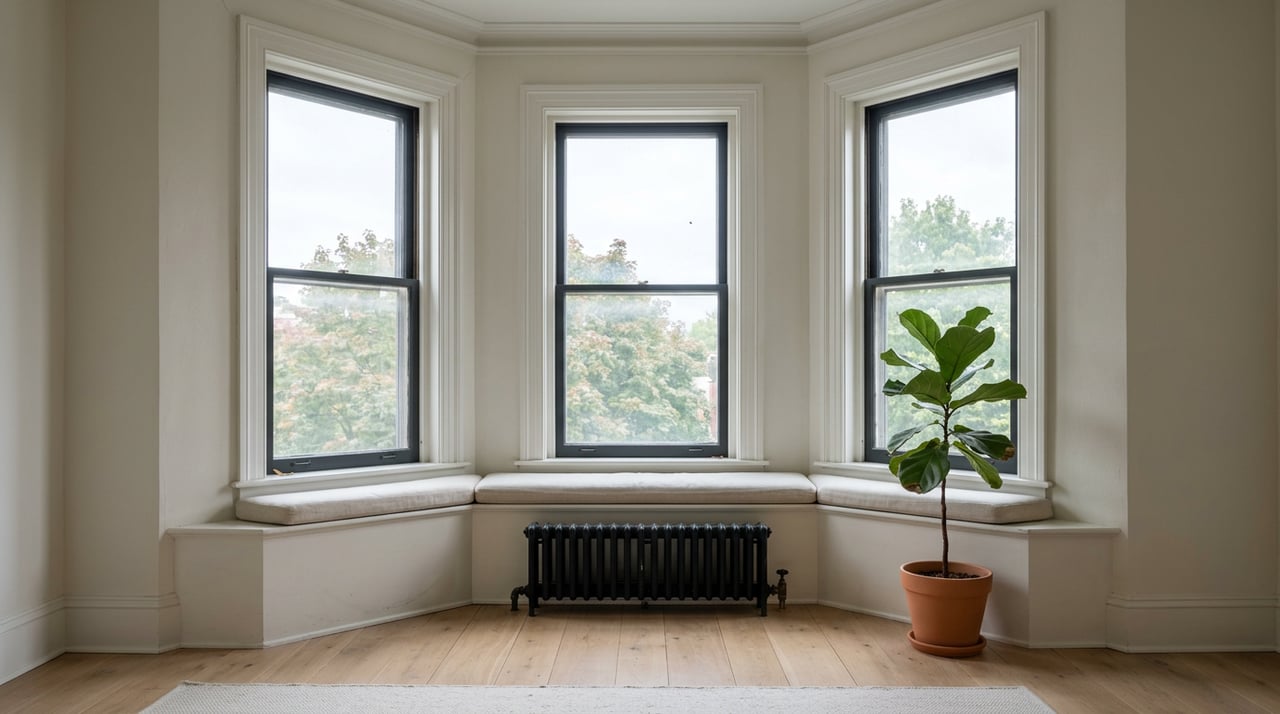
Victorian-era homes often feel the most character-rich and least boxy. You may find more nooks, angled walls, bay-window seating areas, broad porches, and rooms that unfold in less predictable ways.
That can create a warm and memorable living experience, but it can also mean furniture placement is less straightforward. Compared with a Colonial, circulation may feel looser and more playful. For many buyers, that is exactly the appeal.
Craftsman and Bungalow Homes
Where You’ll See Them
Craftsman and bungalow homes appear in Waban, Oak Hill, Newton Highlands, and other early-20th-century areas. Newton’s survey notes that many bungalows were built in Waban and Newton Highlands.
How They Usually Look
Bungalows are usually low-slung and often 1 to 1.5 stories tall. Craftsman versions emphasize practical design, natural materials, and a less ornate look than many Victorian homes.
How They Tend to Live
These homes often feel relaxed, efficient, and easy to use day to day. Craftsman and bungalow plans commonly reduce hallways and lean toward a more open interior arrangement, which can make the house feel connected without being oversized.
If you want a home that feels intimate without being overly formal, this style can be a strong match. Porch-centered entries and warm material details also help create a grounded, welcoming feel.
Tudor Revival Homes
Where You’ll See Them
Tudor Revival is another strong Newton style, especially in Waban, Oak Hill, and Chestnut Hill. The local survey notes both smaller Tudor homes in Waban and Oak Hill and larger Tudor examples in Chestnut Hill.
How They Usually Look
Tudor Revival homes often feature steeply pitched gables, asymmetrical massing, mixed exterior materials such as stucco, brick, or stone, tall narrow windows, and recessed entries. Decorative masonry is also common.
How They Tend to Live
These homes often feel cozy and more enclosed. Their exterior design cues usually translate to a more intimate interior experience, with a room-by-room feeling rather than broad open spaces.
For some buyers, that enclosed quality feels comfortable and private. For others, it may feel less flexible than a postwar or contemporary layout. Much depends on the specific house, but the overall impression is often warmth and enclosure rather than openness.
Postwar Ranch, Split-Level, Cape, and Contemporary Homes
Where You’ll See Them
Newton’s mid-century survey says ranches, split-levels, raised ranches, and Contemporary homes became common in the 1950s. Areas mentioned in the survey include Valley Spring Road-Doff Road, Esty Farm Road-June Lane, and Andrew Street-Dedham Street, with later-1940s-to-1960s homes also found in Oak Hill, Newton Highlands, West Newton, and parts of Waban.
How They Usually Look
These homes vary, and the labels sometimes overlap. Ranches tend to stretch horizontally, split-levels step with the site, and Contemporary homes are often defined by corner windows, floor-to-ceiling glass, and designs that respond to slope and views.
How They Tend to Live
In many cases, these homes offer the easiest circulation and the strongest daylight potential. Contemporary homes in particular often feel bright and flexible because of larger glass areas and stronger visual connection to the yard or landscape.
Split-level homes can make especially good use of sloping lots, which helps explain why they show up in some of Newton’s hillier areas. If you want a layout that feels more casual and less formal, postwar homes are often worth a close look.
Where Styles Tend to Cluster in Newton
While every street can surprise you, certain patterns do show up across Newton. Older village centers such as Newton Corner, Newton Centre, Newtonville, West Newton, and Auburndale tend to have more late-19th-century Victorian-era houses.
Waban, Chestnut Hill, and the blocks north of Commonwealth Avenue more often feature Colonial, Georgian, Tudor Revival, Craftsman, and bungalow examples. Nonantum includes more modest Queen Anne and Colonial Revival single- and two-family homes. Later 1940s to 1960s housing is more common in places like Oak Hill, Newton Highlands, West Newton, and parts of Waban.
These are useful patterns, but they are not hard rules. Newton’s appeal comes partly from the way styles mix together across villages and blocks.
Historic Districts and Exterior Changes
If you are shopping in Newton, it is smart to ask whether a property falls within a Local Historic District. The city identifies four: Auburndale, Chestnut Hill, Newton Upper Falls, and Newtonville.
In those districts, exterior changes visible from a public way generally go through Historic District Commission review. The city notes that some in-kind repairs and ordinary maintenance may qualify for staff-level approval. Because protected and unprotected blocks can sit side by side, this is something to verify early when you are evaluating renovation plans or preparing a home for sale.
What Buyers Should Focus on During Tours
When you tour homes in Newton, try to go beyond the style label. A listing might say Colonial, Tudor, Cape, Ranch, Split-Level, or Contemporary, but the real question is whether the home fits the way you want to live.
A helpful way to compare homes is to look at a few practical categories:
- Formal vs. casual: Do you want separate rooms or a more connected layout?
- Open vs. enclosed: Do you prefer sightlines and flow, or more privacy room to room?
- Bright vs. cozy: Are you drawn to large windows and daylight, or a more intimate feel?
- Flat-site vs. slope-adapted: Does the lot shape affect entry, yard use, or interior levels?
This approach usually leads to better decisions than style alone. It also helps you compare very different houses on equal footing.
What Sellers Should Keep in Mind
If you are selling, your home’s architecture should shape the story you tell. Buyers respond when the presentation matches the home’s natural strengths.
For a Colonial, that may mean emphasizing symmetry, defined rooms, and classic layout. For a Victorian-era home, it may be the original character, porch presence, and one-of-a-kind details. For a Craftsman, buyers may connect with warmth and practicality. For a mid-century or Contemporary home, light, window design, and flexibility often matter most.
In Newton’s high-value, mostly owner-occupied market, presentation matters. The Census Bureau reports a 70.0% owner-occupied housing unit rate and a median owner-occupied housing value of $1,264,900 for 2020 through 2024, which underscores how important thoughtful positioning can be.
The Bottom Line on Newton Architecture
Newton offers a rare range of architectural styles, and that variety is one of the city’s real strengths. You are not just choosing a look. You are choosing a daily experience, from how the front door welcomes you to how the rooms connect and how the home interacts with light and lot.
If you understand how each style tends to live, you can shop more confidently, compare homes more clearly, and market a property more effectively. In a place as layered as Newton, that kind of local context can make a big difference.
If you want help evaluating Newton homes by style, layout, neighborhood context, and market position, Eric Glassoff offers the kind of local, senior-level guidance that can make the process much clearer.
FAQs
What architectural styles are most common in Newton, MA?
- In Newton, you are likely to see Colonial and Colonial Revival, Victorian-era homes such as Queen Anne and Shingle, Craftsman and bungalow houses, Tudor Revival, and postwar ranch, split-level, Cape, and Contemporary homes.
Which Newton neighborhoods have more Victorian-era homes?
- Older village centers such as Newton Corner, Newton Centre, Newtonville, West Newton, and Auburndale tend to have more late-19th-century Victorian-era houses.
Where are Colonial and Tudor homes common in Newton?
- Colonial, Colonial Revival, and Tudor Revival homes are especially common in Waban, Chestnut Hill, and on blocks north of Commonwealth Avenue, with additional examples in Oak Hill.
How do Colonial homes usually live in Newton?
- Colonial and Colonial Revival homes in Newton often feel more formal and structured, with symmetrical layouts, separated rooms, and a more predictable flow than many later house types.
Are Craftsman and bungalow homes common in Newton?
- Yes. Craftsman and bungalow homes appear in areas such as Waban, Oak Hill, and Newton Highlands, and they often offer a more relaxed, efficient layout.
What should buyers know about historic districts in Newton?
- Newton has four Local Historic Districts, and in those areas, exterior changes visible from a public way generally go through Historic District Commission review, so it is wise to confirm district status early in your search.
Are mid-century homes easy to find in Newton?
- Newton has a meaningful collection of postwar homes, including ranches, split-levels, raised ranches, and Contemporary houses, especially in Oak Hill, Newton Highlands, West Newton, and parts of Waban.