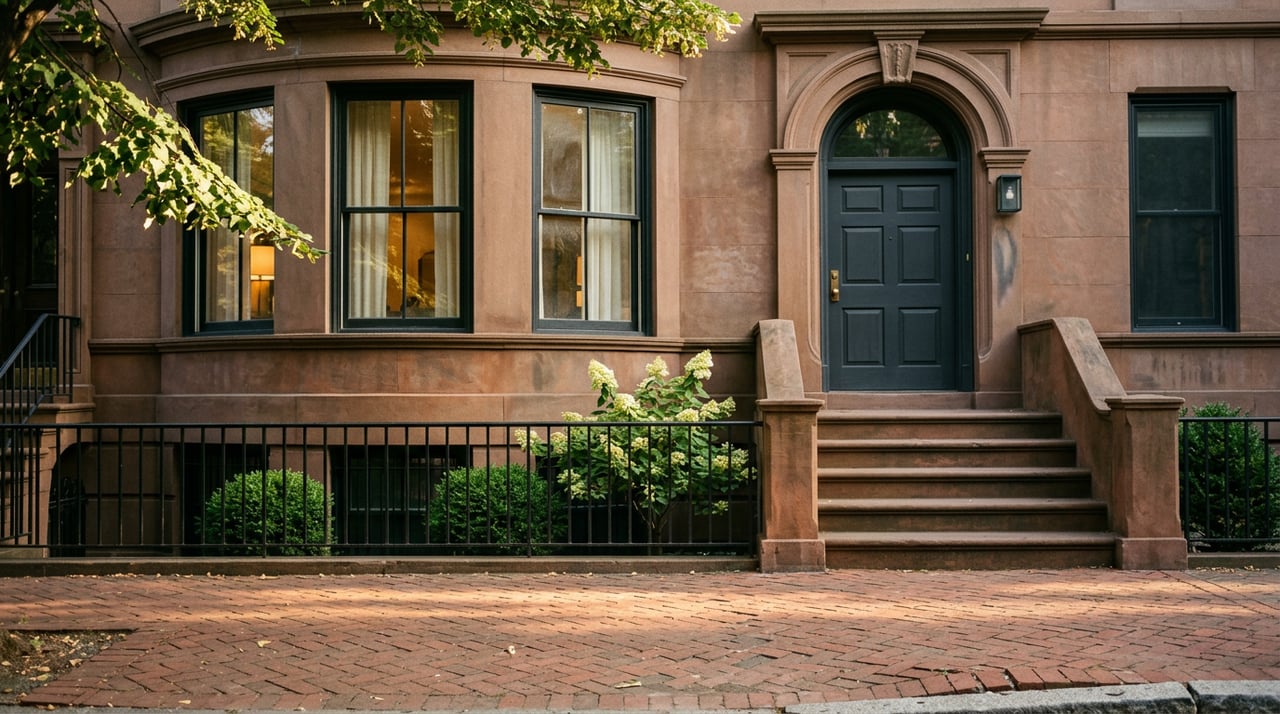
Buying in Back Bay means stepping into some of Boston’s most beautiful buildings — and some of its most complex condo associations. You want the charm and location without surprise costs or rules that do not fit your lifestyle. In this guide, you will learn how Back Bay associations work, what fees really cover, and the red flags to catch before you commit. Let’s dive in.
How Back Bay condo associations work
Who runs the building
In Massachusetts, condominiums operate under Chapter 183A of the state’s General Laws. Associations are governed by trustees or a board elected by unit owners, and many hire a professional manager to handle day‑to‑day operations. The board has fiduciary duties and enforces the master deed, bylaws, and rules.
For a plain‑English overview of condo structures, see the state’s summary of condominiums, cooperatives, and timeshares. The board’s job is to implement the recorded documents and keep proper records so owners can understand how the building is run. You should expect transparency when you request budgets, minutes, and insurance summaries.
The documents that define your rights
Ask for these items as soon as you are under agreement:
- Master deed, Declaration of Trust, recorded plans, and bylaws. These define unit boundaries, common areas, voting rights, and cost allocation.
- Rules and regulations (house rules). Look for policies on pets, moves, alterations, noise, and parking.
- Current year budget, plus the last 2–3 years of budgets and financial statements. You want to see trends, not one snapshot.
- Reserve study (if any) and current reserve balance. This shows planned capital projects and recommended funding.
- Meeting minutes from the past 12–24 months. Minutes reveal upcoming projects, assessments, and the board’s approach to reserves.
- Master insurance certificate and fidelity bond summary. Note coverage limits and deductibles.
- Delinquency report, notices of any special assessments, and any litigation disclosures.
Recorded documents are public. You can confirm the master deed and amendments through the Suffolk County Registry of Deeds and MassLandRecords. If you are unsure how to find them, review the Registry’s instructions for getting a copy of your deed.
Why Chapter 183A matters
Massachusetts law requires condo associations to maintain an adequate replacement reserve fund held separate from operating money. Annual financial reports and records are also required so owners can see how funds are managed. When you review a building, always ask for the reserve balance and any reserve study to judge whether “adequate” matches the building’s actual needs.
- Read the statute language in Chapter 183A Section 1.
- See additional record‑keeping obligations in the state’s Chapter 183A information.
Monthly fees in Back Bay: what to expect
Back Bay has a wide spread of monthly condo fees. Smaller brownstone units can be a few hundred dollars per month, while larger homes and full‑service towers often run in the high hundreds to several thousand per month. Always check the fee for the specific unit and building.
What drives the number varies by property:
- Management and master insurance costs.
- Building maintenance, snow removal, common utilities, and elevator service.
- Security or concierge services, shared amenities, and trash.
- Contributions to reserves for long‑term capital projects.
Ask which utilities are included in the fee, since some Back Bay buildings include heat or hot water and others do not. Compare fees alongside services and reserves, not in isolation. A slightly higher fee can be a good trade if reserves are healthy.
Reserves, assessments, and financing risk
Reserve funds 101
A reserve study estimates the future cost and timing of major components like roofs, masonry, windows, elevators, and boilers. The association then builds a funding plan. Industry professionals often report a “percent funded” figure that compares current cash to the fully funded recommendation. Under about 30 percent is considered weak, 30 to 70 percent is fair, and above 70 percent is strong.
- Learn how reserve studies work from Community Associations Institute.
- See an example of percent‑funded guidance in a reserve study overview.
What lenders look for
Conventional lenders and investors review reserve health and project risk. Many lenders look for a budget line that dedicates about 10 percent of assessment income to reserves unless a current reserve study justifies less. Lenders also track delinquency levels and often treat more than 15 percent of units behind on dues as a significant issue. These factors can affect whether a condo is “warrantable” for standard financing.
- Review Fannie Mae’s project review standards.
- FHA project approvals also consider owner‑occupancy ratios, with rules that allow certain single‑unit approvals. High rental concentrations can limit options for some loan programs.
Special assessments: common Back Bay triggers
In older Back Bay buildings, big ticket items often include façade and masonry restoration, roof replacement, elevator modernization, and building‑envelope or water‑infiltration work. Work in or near historic districts can require design review and permits, which adds cost and time. If meeting minutes mention a study or bid for exterior work, ask for scope, permits, bids, and the funding plan.
Quick red flags to watch
- Reserve percent‑funded under roughly 30 percent with no plan to improve it.
- Budgeted reserve contribution below about 10 percent of assessment income unless a recent reserve study supports it.
- More than 15 percent of units delinquent on dues.
- Repeated special assessments in recent years or a newly announced major assessment without a replenishment plan.
- High master‑policy deductible relative to reserves and frequent insurance claims.
Refer back to Fannie Mae’s guidance for lender thresholds and expectations around reserves, delinquencies, and insurance.
Rules that surprise Back Bay buyers
Pet policies and assistance animals
Pet rules vary building by building. Some brownstones prohibit pets, while others allow them with size limits, breed restrictions, or board approval. If you rely on a service or assistance animal, review the association’s process and documentation since requests for reasonable accommodation are governed by the federal Fair Housing Act. HUD provides guidance for assistance animals that is helpful context for buyers.
Rentals and owner‑occupancy
Associations can limit the percentage of units that may be leased or require board approval of leases. High rental concentrations can reduce financing options with some loan programs. Review the recorded rules and ask the manager for the current owner‑occupancy and rental ratios. For FHA specifics, see HUD’s notice on single‑unit approvals.
Parking reality in central Boston
Back Bay parking comes as deeded spaces, assigned spaces, valet arrangements, or none at all. Deeded spaces can have separate value and separate monthly fees, and availability is scarce. Recent Boston coverage shows that premium Boston parking can command very high prices in nearby neighborhoods, which underscores how valuable a space can be.
Historic‑district work
Many Back Bay buildings sit within historic or architectural districts. Exterior repairs to brownstone façades, lintels, or cornices often require design review and permits. That increases cost and can stretch timelines, so build in extra diligence when minutes mention façade or envelope projects.
How to read minutes and budgets like a pro
Meeting minutes often reveal more than glossy listing notes. Look for repeated emergency repairs, water‑infiltration discussions, stop‑work orders, or proposed capital projects without a funding plan. Frequent board turnover, manager changes, or disputes can also signal governance challenges.
When you review budgets and financials, track three things:
- Operating surplus or deficit trends over the past 2–3 years.
- Reserve balance versus the reserve study’s recommended balance, and whether the plan keeps pace.
- Insurance costs and the master‑policy deductible. A high deductible paired with low reserves can lead to sudden owner assessments after a claim.
A buyer’s due‑diligence checklist and timeline
Move fast but methodically during your contingency window. Use this sequence:
- Tell your lender you are buying a condo and ask early if the building is eligible for your loan program. Lenders follow Fannie Mae’s project review standards and may need specific forms and condo docs.
- Request the full resale packet within the offer timeline. Set a clear internal deadline to review budgets, minutes, reserves, insurance, and rules.
- Compare the current reserve balance to the reserve study and note any pending assessments or approved but unfunded projects in the minutes.
- Confirm recorded documents and amendments through the Suffolk Registry.
- Read the master insurance declarations and verify the fidelity bond information.
If you uncover issues, you have options. You can ask for a price reduction or credit that matches your share of an announced assessment or a conservative reserve gap. You can request an escrow for near‑term capital needs or a longer due‑diligence window tied to lender condo eligibility. For complex projects or litigation, have a Massachusetts condominium attorney review the documents and advise on risk and language.
- Fannie Mae’s project standards for lenders.
- Suffolk Registry instructions for recorded documents.
- Insurance and fidelity bond concepts summarized by the Commonwealth.
- Background on Massachusetts condo law and operations from a local law firm.
Work with a local advisor you can trust
Back Bay offers incredible homes, but the best outcomes come from careful review of reserves, rules, and building health. With deep local experience and a strong financing background, you can get clear answers and a steady partner from offer to closing. If you want a second set of eyes on an association’s budgets, minutes, and rules, reach out to schedule a quick consult.
Ready to evaluate a Back Bay condo with confidence? Connect with Eric Glassoff for a clear, data‑informed review and a plan tailored to your goals.
FAQs
What is a condo association in Massachusetts?
- It is the legal body, created under Chapter 183A, that manages common elements, enforces the master deed, bylaws, and rules, keeps financial records, and maintains a replacement reserve fund.
How much are Back Bay condo fees and what do they cover?
- Fees vary widely by building and amenities, from a few hundred to several thousand dollars monthly, covering management, insurance, maintenance, common utilities, services, and reserve contributions.
What is a healthy reserve fund for a condo?
- Many reserve professionals consider above 70 percent funded strong, 30 to 70 percent fair, and below 30 percent weak. Ask for the reserve study and current balance to judge risk.
What makes a condo “non‑warrantable” for lenders?
- Common issues include budgeted reserve contributions below about 10 percent without a current reserve study, more than 15 percent of units delinquent on dues, major deferred maintenance, or litigation that raises risk.
Can a Back Bay condo limit rentals or require lease approval?
- Yes. Many associations set rental caps or approval processes in their documents. High rental ratios can affect FHA or conventional financing; see HUD’s guidance on single‑unit approvals for context.
How do I verify that my Back Bay parking is deeded?
- Check the master deed, unit deed, and recorded plans through the Suffolk Registry. Deeded spaces are typically described in the recorded documents, and may have separate fees and rules.
What should I look for in meeting minutes before I buy?
- Focus on mentions of special assessments, façade or roof projects, water‑infiltration issues, insurance claims, board turnover, and any approved contracts without clear funding.
Chapter 183A (statute) | State condo overview | Fannie Mae project standards | Reserve studies (CAI) | HUD on assistance animals | Suffolk Registry | FHA single‑unit approvals | Parking costs in Boston | Reserve percent‑funded example | Insurance and fidelity bond