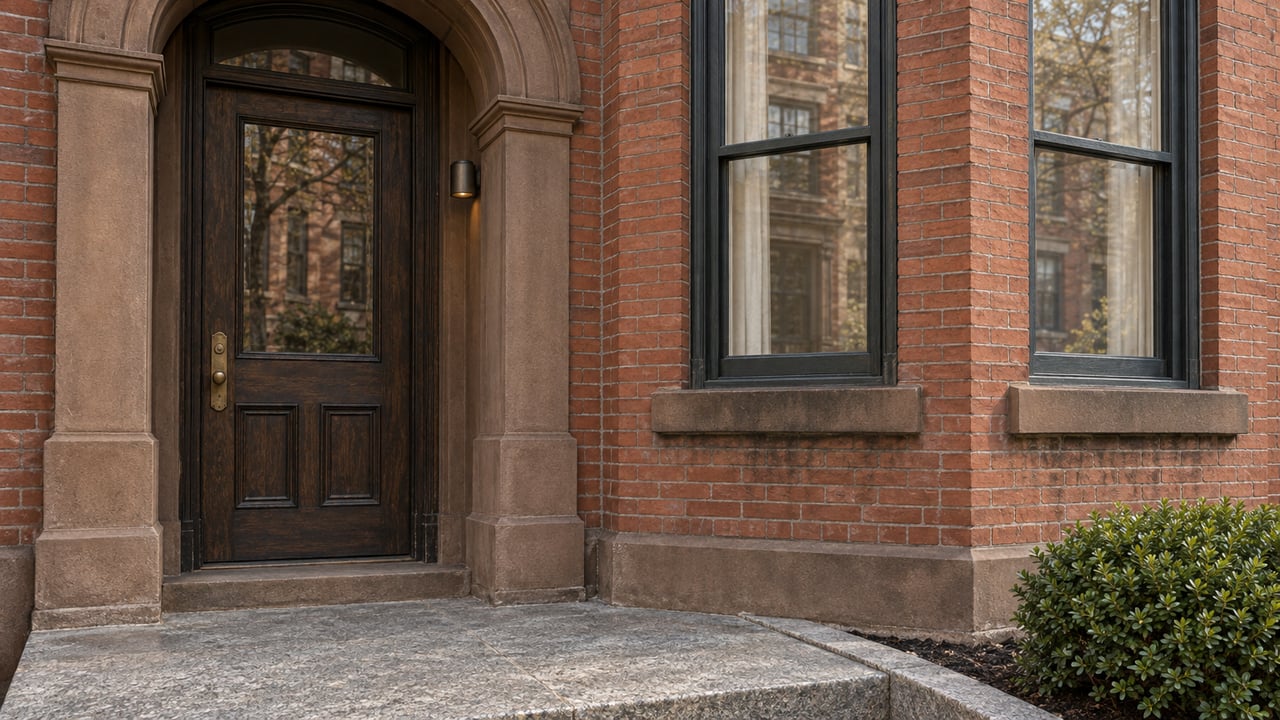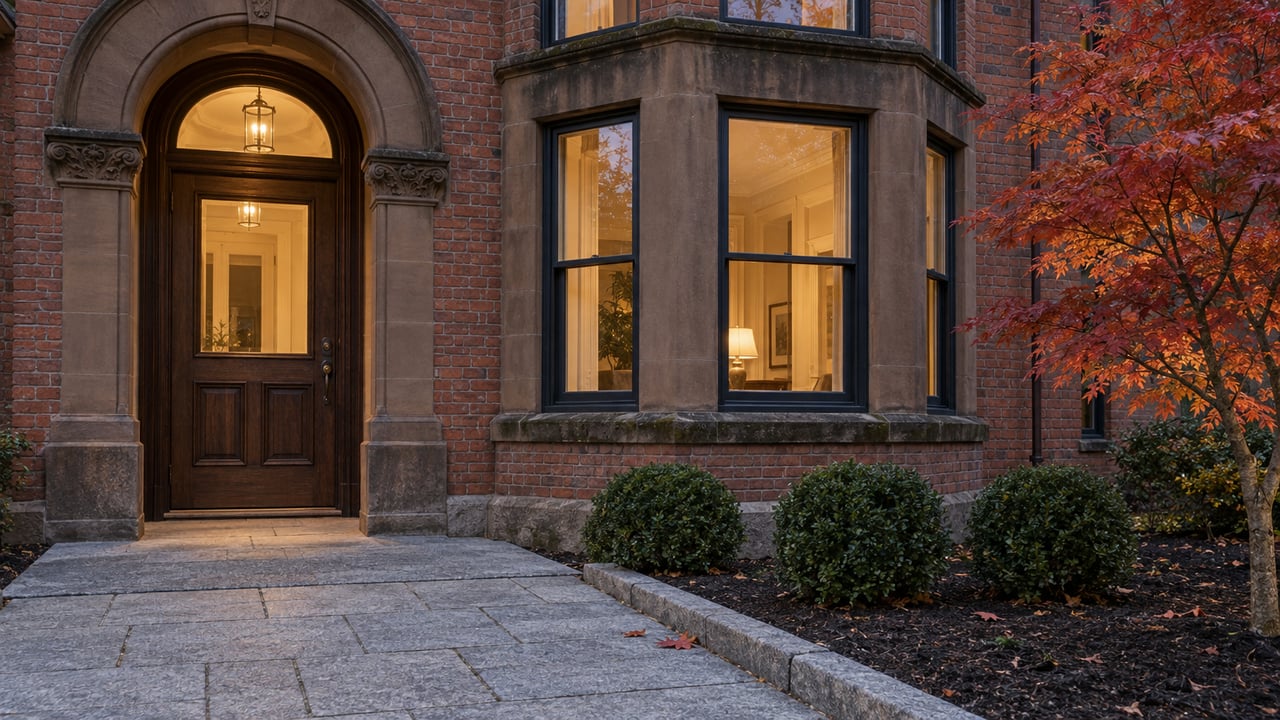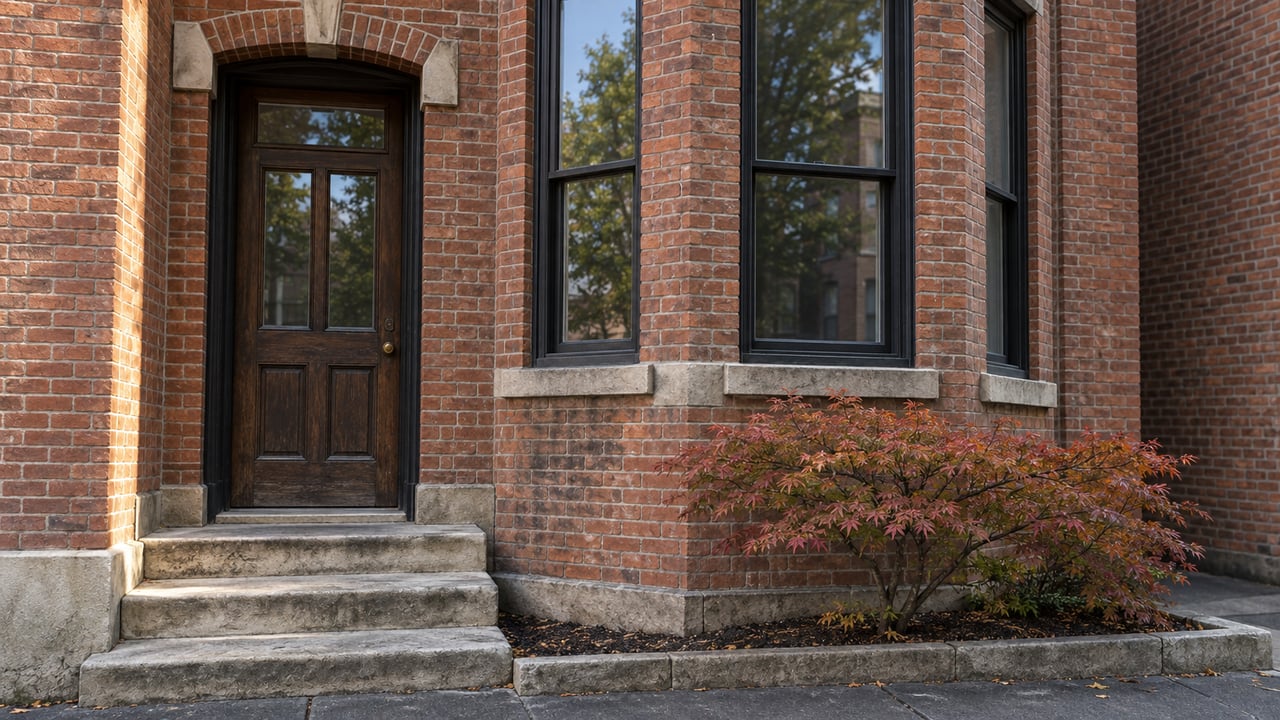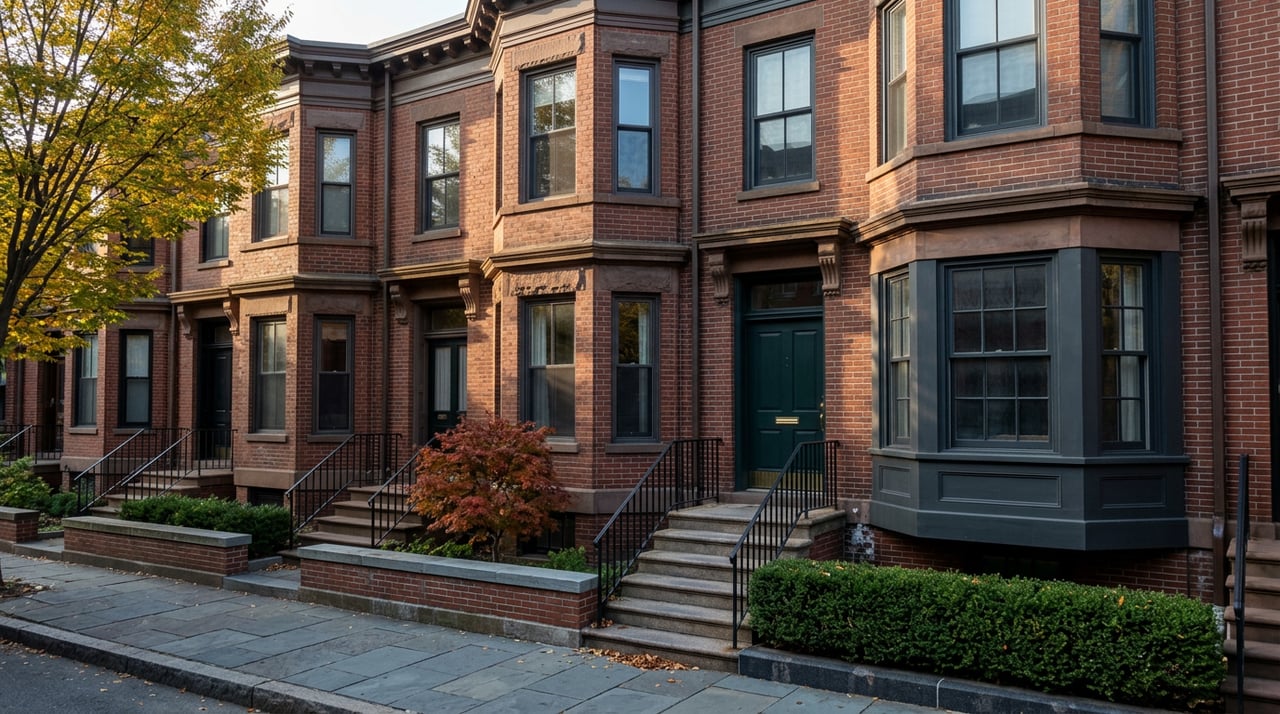
If you are deciding between a Brookline townhouse and a condo building, the biggest surprise is this: the label on the listing may not tell you as much as you think. In Brookline, a property that looks and lives like a townhouse can still be a condo, with shared rules, fees, and maintenance responsibilities. If you want to make a smart move, you need to look past the marketing language and focus on how the property is actually set up. Let’s dive in.
Why the legal setup matters
In Massachusetts, condo ownership is governed by the master deed, bylaws, and Chapter 183A. That means your rights and responsibilities often depend more on the condo documents than on whether the home is described as a townhouse or a condo.
This matters in Brookline because some townhouse-style homes are legally condo units. A listing may highlight private entry, multiple floors, or outdoor space, but you still need to confirm who maintains the roof, exterior walls, shared systems, and common areas.
Massachusetts also treats common areas broadly. Halls, roofs, yards, gardens, parking areas, storage spaces, and central services may all fall under shared ownership or shared responsibility, depending on the documents.
Townhouse feel versus condo lifestyle
For many buyers, the choice comes down to how you want to live day to day. A townhouse often appeals to buyers who want more separation from neighbors, more direct outdoor access, and a layout that feels closer to a single-family home.
A condo building often appeals to buyers who want less exterior maintenance and a simpler ownership structure for shared spaces. In practice, though, either setup can offer a mix of privacy, convenience, and shared responsibility.
That is why the best question is not “townhouse or condo?” The better question is “what does this specific property require from me as an owner?”
Brookline inventory and pricing differences
Brookline’s current market snapshot shows a clear difference in supply and price. Recent data shows about 128 condos for sale in Brookline with a median listing price of $998,000, compared with 9 townhouses for sale with a median listing price of $2.4 million.
That tells you two important things. First, condos offer far more choices for buyers who want flexibility in size, layout, and price point. Second, townhouses are much rarer, and that scarcity can push them into a higher price tier.
Brookline’s broader housing market also remains competitive, with homes selling at a median price of about $1.4 million over the last three months, an average of about two offers per home, and roughly 19 days on market. For resale, condos usually benefit from a larger pool of comparable sales, while townhouses may attract a narrower group of buyers willing to pay for added space, privacy, and parking.
Maintenance and HOA fees
One of the biggest practical differences is maintenance. In many condo buildings, the association handles exterior upkeep and management of common areas, funded through monthly HOA fees.
With a townhouse-style home, you may assume you are fully responsible for everything yourself. In Brookline, that is not always true. If the townhouse is legally a condo, there may still be HOA fees and shared obligations.
That is why reviewing the budget and condo documents is so important. You want to know what your monthly fee covers, whether the association maintains healthy reserves, and what expenses could still become your responsibility.
Reserve funds and financial health
Massachusetts requires condo associations to maintain a replacement reserve fund. This is meant to help cover future capital repairs and reduce the chance of sudden large costs.
There are also added financial requirements for some larger associations. Buildings with more than 10 units must carry fidelity insurance, and buildings with 50 or more units require a CPA review of financial reports, although some requirements can change after owner control transfers.
For you as a buyer, the key takeaway is simple: a lower HOA fee is not always better if the association is underfunded. Strong reserves and clear financial reporting can make a big difference in your long-term costs.
Insurance needs are not the same
Insurance is another area where buyers should slow down and read the fine print. In a condo, the association typically carries a master policy, but that does not mean you are fully covered.
Massachusetts notes that condo owners generally need HO-6 coverage for items not covered by the master policy. Owners may also face assessments for certain additional costs after a covered loss.
This is important whether you buy in a larger building or a townhouse-style condo. Before you close, you should understand what the master policy covers, what your own policy must cover, and how loss assessments could affect your budget.
Property taxes in Brookline
Property taxes apply whether you buy a condo or a townhouse, but the actual amount depends on the assessed value and whether you qualify for the residential exemption. Brookline bills real estate taxes quarterly.
For FY2026, Brookline’s residential tax rate is $10.24 per $1,000 of assessed value. The residential exemption is $354,974 for property that is your principal residence, so an owner-occupant may qualify whether the property is a condo or a townhouse.
There is one Brookline-specific detail worth knowing. Some newly developed condos may first be billed as a master parcel until the town splits the parcel into separate condo assessments.
Privacy and outdoor space
Privacy is often a major reason buyers lean toward a townhouse. Many Brookline townhouse listings emphasize private outdoor space, decks, roof decks, and garage parking, which can be especially appealing if you want more room to spread out.
Still, outdoor space in a condo setup is often document-driven. Under Massachusetts law, outdoor areas like terraces, balconies, or storage spaces count as part of the unit only if the master deed says so.
That means you should never assume a yard, roof deck, or patio is yours alone just because it is next to your unit. You need to confirm whether it is part of the unit, a limited common area, or a general common area.
Historic district rules can shape your plans
In parts of Brookline, local historic district rules may affect what you can change outside the home. Exterior modifications and some landscape changes in those districts typically require review.
If you are choosing between a townhouse and a condo building because you want to update windows, adjust a porch, change a façade detail, or modify landscaping, historic district review can matter just as much as condo rules. This is especially important for buyers who value control over exterior design choices.
A property can look perfect on day one, but your future plans should still match the local approval process. That is a smart part of due diligence in Brookline.
Which option fits your goals?
If you value convenience and want less responsibility for exterior upkeep, a condo building may be the better fit. You may also have more inventory to choose from and more price points to work with.
If you value privacy, a multi-level layout, direct outdoor access, and a home that feels more independent, a townhouse may be the better match. In Brookline, though, that often comes with less inventory and a higher entry price.
The best decision usually comes down to five factors:
- The legal form of ownership
- The condo documents and bylaws
- The HOA budget and reserve strength
- The exact rules for outdoor space and exterior maintenance
- The property’s tax setup and historic district status
How to compare Brookline properties wisely
When you tour homes, it helps to compare them in a structured way. Two properties may feel very different in person, but the documents often reveal the real tradeoffs.
Here are a few practical questions to ask before you decide:
- Is this townhouse legally a condo unit?
- Who maintains the roof, siding, foundation, and shared systems?
- What do the monthly fees cover?
- How strong is the reserve fund?
- What does the master insurance policy cover?
- Is the outdoor space deeded to the unit or shared?
- Is the property located in a local historic district?
- How does the assessed value compare with similar Brookline sales?
A careful review up front can save you from surprises later. In a market as competitive and nuanced as Brookline, small differences in documents and ownership structure can have a big impact on your costs and lifestyle.
If you want help weighing townhouse living versus condo building life in Brookline, working with a local broker who understands both the neighborhood and the paperwork can make the process much clearer. For tailored guidance on Brookline properties, financing considerations, and what to watch for in the documents, connect with Eric Glassoff.
FAQs
What is the main difference between a Brookline townhouse and a condo building?
- The biggest difference is often the ownership structure and maintenance setup, not the building style. In Brookline, a townhouse-style home can still be a condo governed by shared documents and fees.
Can a Brookline townhouse have HOA fees?
- Yes. Some Brookline townhouse-style properties are legally condos, so they may include HOA fees and shared maintenance obligations.
How do Brookline property taxes work for condos and townhouses?
- Brookline bills real estate taxes quarterly. For FY2026, the residential rate is $10.24 per $1,000 of assessed value, and qualifying owner-occupants may be eligible for the residential exemption.
Does a Brookline condo owner need separate insurance?
- Yes, in many cases. Massachusetts notes that condo owners generally need HO-6 coverage for items not covered by the association’s master policy.
Why do condo documents matter in Brookline?
- Condo documents spell out who maintains shared areas, what spaces belong to the unit, what fees apply, and what rules owners must follow. Those details can matter more than the word “townhouse” or “condo” in the listing.
Can historic district rules affect a Brookline townhouse or condo?
- Yes. In Brookline’s local historic districts, many exterior changes and some landscape changes require review, which can affect future renovation plans.