If you picture Back Bay life as brownstones, boutiques, and busy city blocks, you are only seeing half the story. One of the neighborhood’s biggest lifestyle advantages is how easily you can step from that dense urban fabric to the open space of the Charles River Esplanade. If you are thinking about buying or selling in Back Bay, understanding that river connection can help you judge both daily quality of life and long-term appeal. Let’s dive in.
Why the Charles River matters in Back Bay
Back Bay is a protected historic district shaped by 19th-century land fill, and it still feels like a classic Boston neighborhood with vintage homes, active streets, and a strong architectural identity. In that setting, the Charles River acts less like a private waterfront and more like a shared public edge for the neighborhood.
That distinction matters when you think about what “living near the river” really means here. In Back Bay, river access is about proximity to open space, pathways, skyline views, and recreation, not private shoreline living. For many buyers, that combination is a major draw.
Esplanade access is part of daily life
The Charles River Esplanade is the clearest expression of Back Bay’s relationship to the river. It stretches three miles along the Boston side from the Museum of Science to the BU Bridge and includes more than five miles of paved pathways.
That makes the Esplanade more than just a park. It functions as a daily-use amenity for people who want a place to walk, run, cycle, stroll with kids, or simply get outside without leaving the city.
There is an important practical detail, though. Because Storrow Drive sits between the park and the city grid, you generally reach the Esplanade by pedestrian bridges rather than direct street frontage.
For many people, that bridge-based access becomes part of the routine. The Frances Appleton Pedestrian Bridge at Charles Circle is noted as the most accessible entry point, which helps explain why the riverfront can feel so connected to day-to-day Back Bay living.
Recreation goes beyond a simple walk
One of the best parts of living near the Charles River from Back Bay is the range of ways you can use it. The pathways serve commuters, runners, strollers, rollers, and dog walkers, so the area supports both quick daily movement and slower scenic outings.
The Esplanade Association even distinguishes between scenic routes and faster, more efficient routes in its safety planning. That tells you something important about how people actually use the space. It is not just decorative green space. It is part of how people move through the city.
If you want water-based activity, the river offers that too. Community Boating operates on the Esplanade at the Charles River Reservation, and adaptive sailing programs run there from late spring through early autumn.
For buyers comparing Boston neighborhoods, this is a real quality-of-life factor. You can live in a dense, walkable part of the city and still have easy access to outdoor activity that feels larger and more open than the street grid around you.
Riverfront events keep the area active
The Charles River is not only about exercise and views. It also helps make Back Bay feel connected to citywide events and seasonal programming.
The Esplanade Association runs a steady calendar that includes fitness classes across the seasons, guided walking tours, Children in the Park, Music and Movement, Community Day, the Esplanade 5K Run & Walk, GroundBeat, the Summer Dock Party, and the annual Charles River Cleanup. That kind of programming keeps the area active well beyond peak summer weekends.
Then there is the biggest signature event of all. The Boston Pops Fireworks Spectacular at the Hatch Shell remains one of the city’s most recognizable annual traditions, with the 2026 performance scheduled for July 4 from 7:00 to 9:30 p.m.
For residents, this means the riverfront carries both local and citywide importance. You are not just living near a park. You are living near one of Boston’s most visible civic spaces.
What the views really add
In a neighborhood as built-up as Back Bay, open sight lines matter. That is one reason river proximity can feel so valuable.
The appeal is often a mix of water, skyline, light, and green space. Boston’s recent work on the Esplanade even highlighted a roof deck with unique Charles River views, which reflects how strongly view corridors matter in this part of the neighborhood.
For buyers, that can translate into a meaningful difference between one property and another. Even partial river orientation, upper-floor light, or a better visual relationship to the Esplanade can shape how a home feels on a day-to-day basis.
For sellers, it is also a reminder that lifestyle positioning matters. In Back Bay, being near the Charles is not just about distance on a map. It is about the daily experience your location creates.
The tradeoffs of living near the river
The riverfront is appealing, but it is not quiet, private waterfront living. The Esplanade sees more than 3 million visitors a year, and major events can make the area feel especially busy.
That level of public use is part of the value, but it is also part of the tradeoff. You are choosing access to one of Boston’s most loved public spaces, which means sharing it with runners, cyclists, families, tourists, and event crowds.
Access also comes with some logistics. There is no public parking on the Esplanade itself, and the bridge-based entry points shape how you get there.
For some buyers, those details are minor compared with the benefits. For others, especially those expecting a quieter or more private waterfront feel, it is important to understand the difference before making a move.
Which homes capture the river lifestyle best
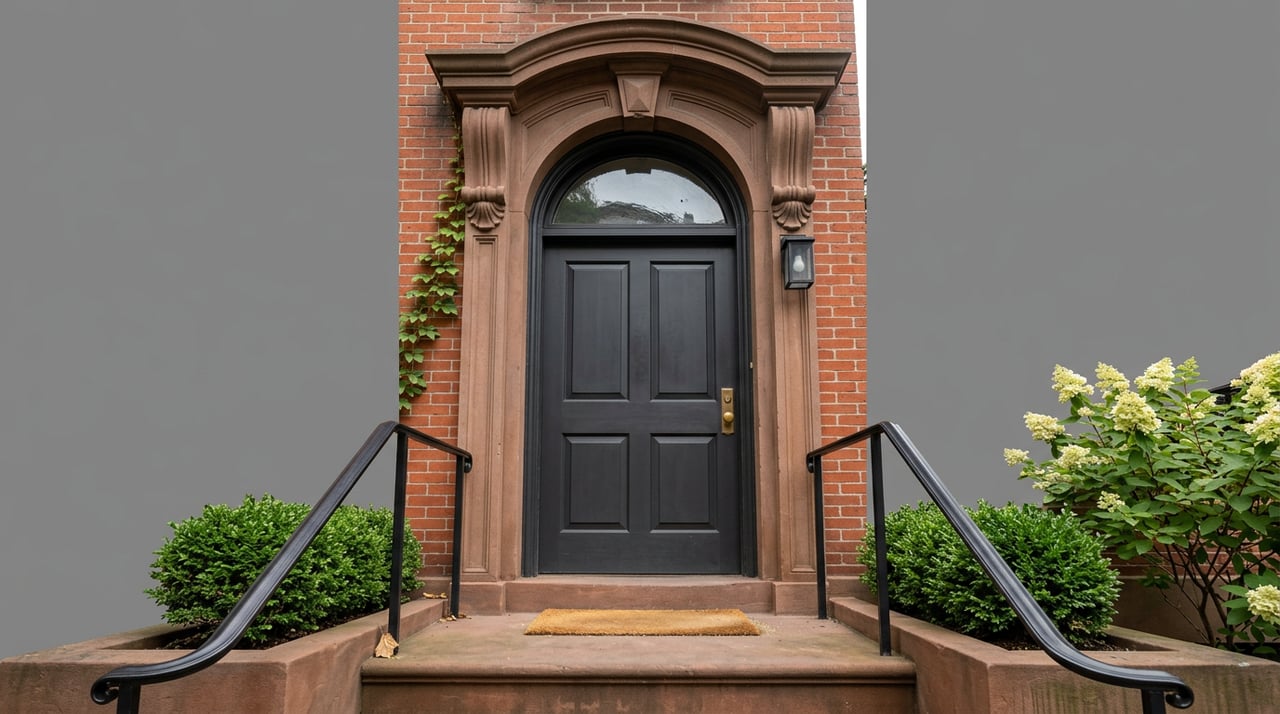
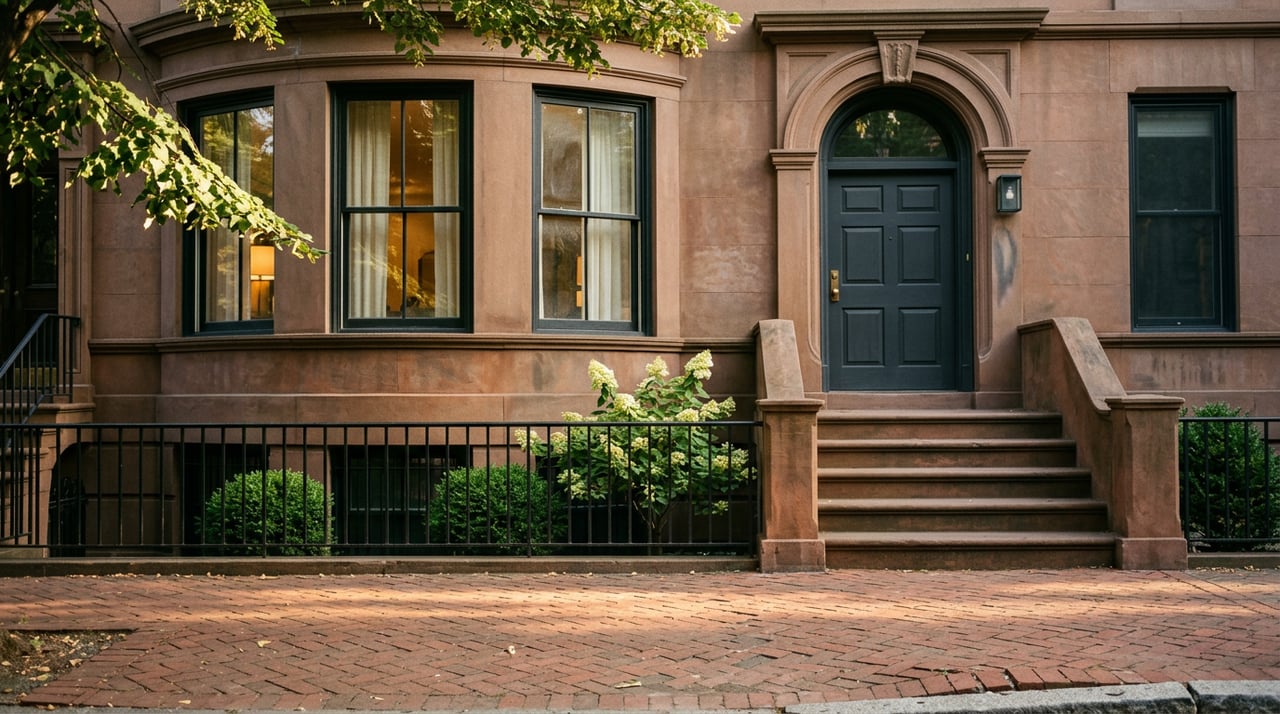
Back Bay’s housing stock does not offer a broad set of direct riverfront homes. Instead, the neighborhood’s river experience is typically captured through historic row houses, townhouses, condo conversions, and upper-floor units that can pick up extra light or views.
That pattern fits the neighborhood’s preserved streetwall and limited river-facing frontage. In practical terms, the homes that best express the Charles River lifestyle are often those that pair classic Back Bay architecture with easier Esplanade access, stronger natural light, or a higher vantage point.
Exterior changes in the district are also shaped by local review rules. Back Bay’s design guidelines emphasize preserving continuous facades, cornice lines, setbacks, and historic masonry details, which helps protect the neighborhood’s visual character over time.
For buyers, that preservation can be part of the appeal. For sellers, it supports the kind of architectural consistency that makes Back Bay recognizable and enduringly desirable.
What buyers should focus on
If you are searching for a home near the Charles River from Back Bay, it helps to look beyond the listing headline and think about how the location functions in real life.
Key things to evaluate include:
- Your closest pedestrian bridge access to the Esplanade
- Whether the home captures meaningful natural light or river-oriented views
- The difference between a scenic location and a quieter one
- How seasonal events and visitor traffic may affect the block or nearby routes
- Whether the property type matches your lifestyle, such as a townhouse versus an upper-floor condo
A short walk on paper can feel different depending on the route, bridge access, and pace of the surrounding streets. That is why neighborhood-level guidance is especially helpful in a place as nuanced as Back Bay.
What sellers should highlight
If you are selling a Back Bay property near the Charles River, the strongest marketing angle is usually lifestyle, not just geography. Buyers respond to the idea that they can enjoy classic city living while staying close to one of Boston’s best-known open spaces.
That means your positioning should focus on the specific benefits your property offers. Depending on the home, that could include easier Esplanade access, strong natural light, upper-level outlooks, proximity to major streets with direct routes to the river, or the balance between urban energy and outdoor escape.
This is also where polished presentation matters. In a visually distinctive neighborhood like Back Bay, buyers notice architectural detail, layout flow, and how well a home frames its surroundings.
Why local guidance matters in Back Bay
Back Bay is one of those neighborhoods where broad descriptions only get you so far. Two homes may be close to the Charles River on a map, but feel very different in terms of access, noise, views, and day-to-day experience.
That is where experienced, local guidance becomes valuable. Understanding the difference between a pretty location and a practical one can help buyers make smarter decisions and help sellers present their property more effectively.
If you want a clear picture of how river proximity affects value, lifestyle, and buyer demand in Back Bay, working with someone who understands both the neighborhood fabric and the nuances of the housing stock can make the process much more confident.
If you are considering a move in Back Bay or want help evaluating how close-to-the-Charles living fits your goals, connect with Eric Glassoff for a personalized neighborhood consultation.
FAQs
How do Back Bay residents reach the Charles River Esplanade?
- Back Bay residents usually reach the Esplanade by pedestrian bridges because Storrow Drive separates the park from the city street grid. The Frances Appleton Pedestrian Bridge at Charles Circle is identified as the most accessible entry point.
What activities are available near the Charles River from Back Bay?
- The Esplanade supports walking, running, cycling, commuting, stroller use, dog walking, and access to boating and adaptive sailing programs during the warmer months.
What is the Charles River Esplanade like during busy seasons?
- The Esplanade is lively and public, with more than 3 million visitors a year, plus seasonal programming and major events that can create heavier foot traffic and busier periods.
What types of Back Bay homes best capture Charles River living?
- Historic row houses, townhouses, condo conversions, and upper-floor units often capture the river lifestyle best, especially when they offer strong light, easier access to the Esplanade, or notable views.
What should Back Bay buyers consider about living near the Charles River?
- Buyers should look at practical bridge access, daily route convenience, natural light, potential views, and how comfortable they are with an active public riverfront rather than a private waterfront setting.
How should Back Bay sellers market a home near the Charles River?
- Sellers should emphasize the lifestyle benefits of river proximity, including access to open space, recreation, views, and the balance between classic Back Bay living and outdoor amenities.