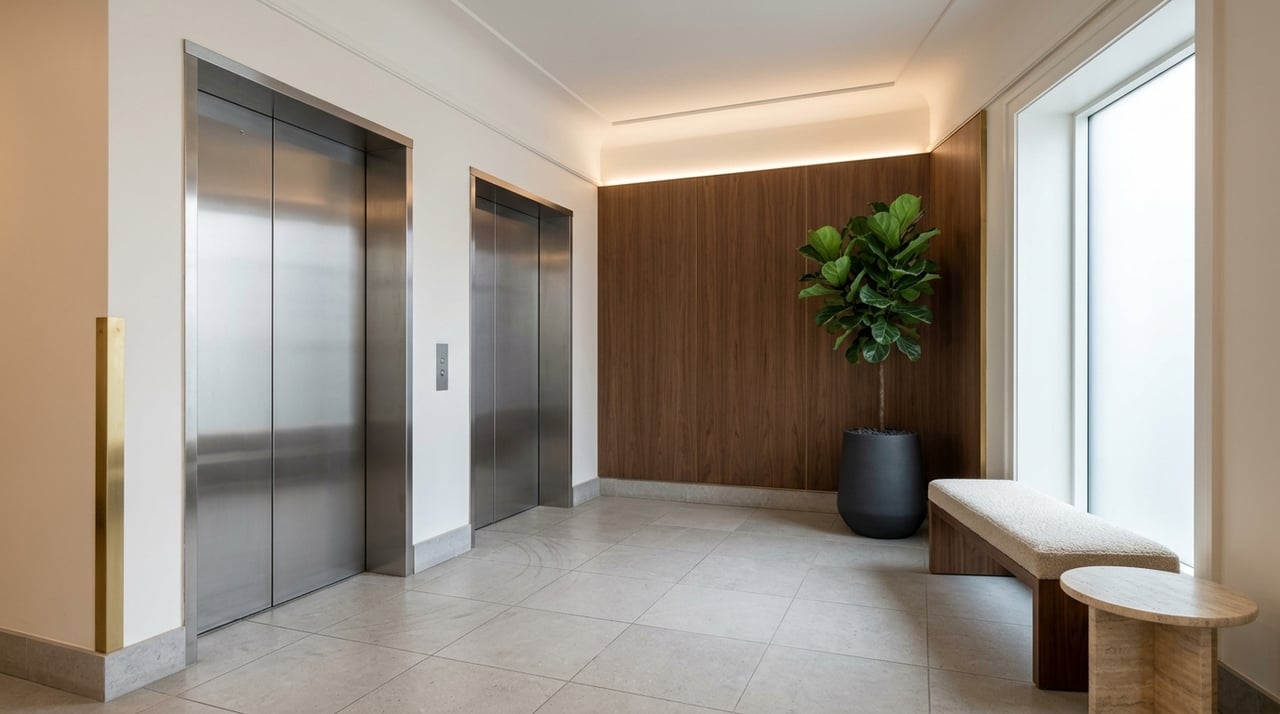
If you have looked at a few Back Bay condo listings and wondered why one building offers a rooftop pool and 24-hour concierge while another has little more than storage and an elevator, you are not imagining things. Back Bay’s luxury condo market is unusually varied, and that can make it harder to compare buildings at first glance. The good news is that once you understand how amenities work here, you can judge value more clearly, weigh monthly costs with confidence, and focus on what actually fits your lifestyle. Let’s dive in.
Why Back Bay Amenities Vary So Much
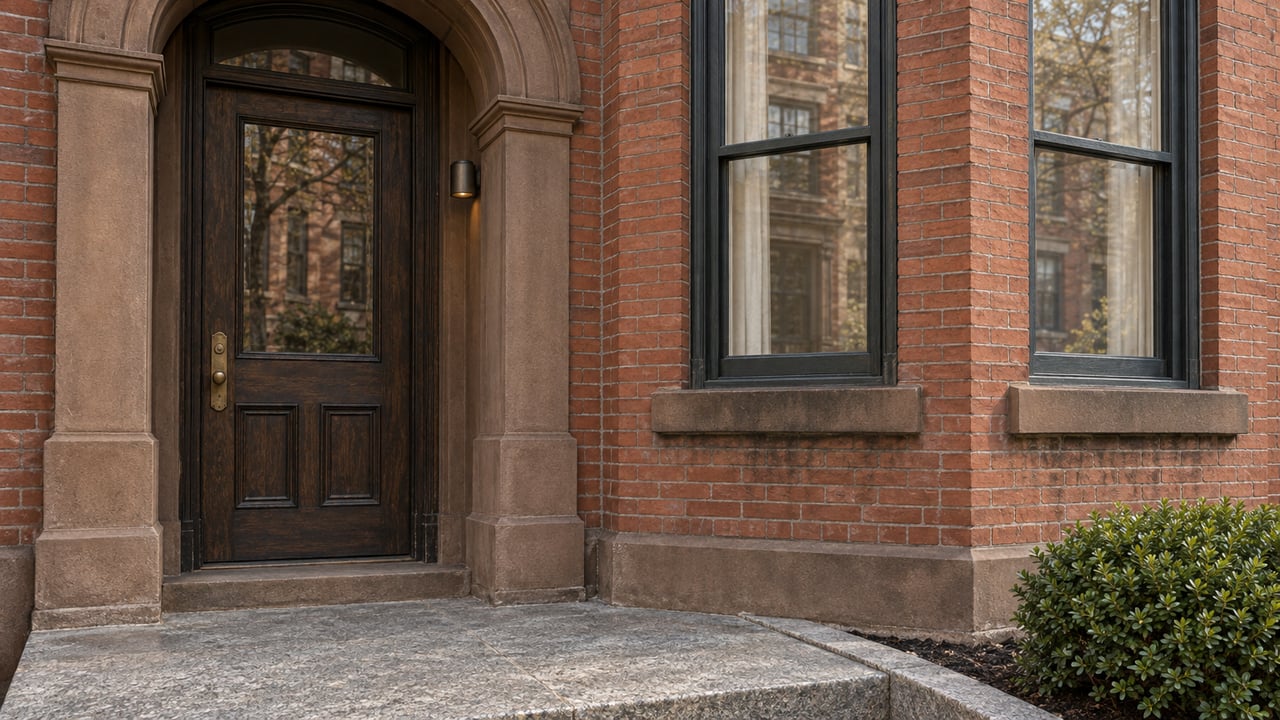
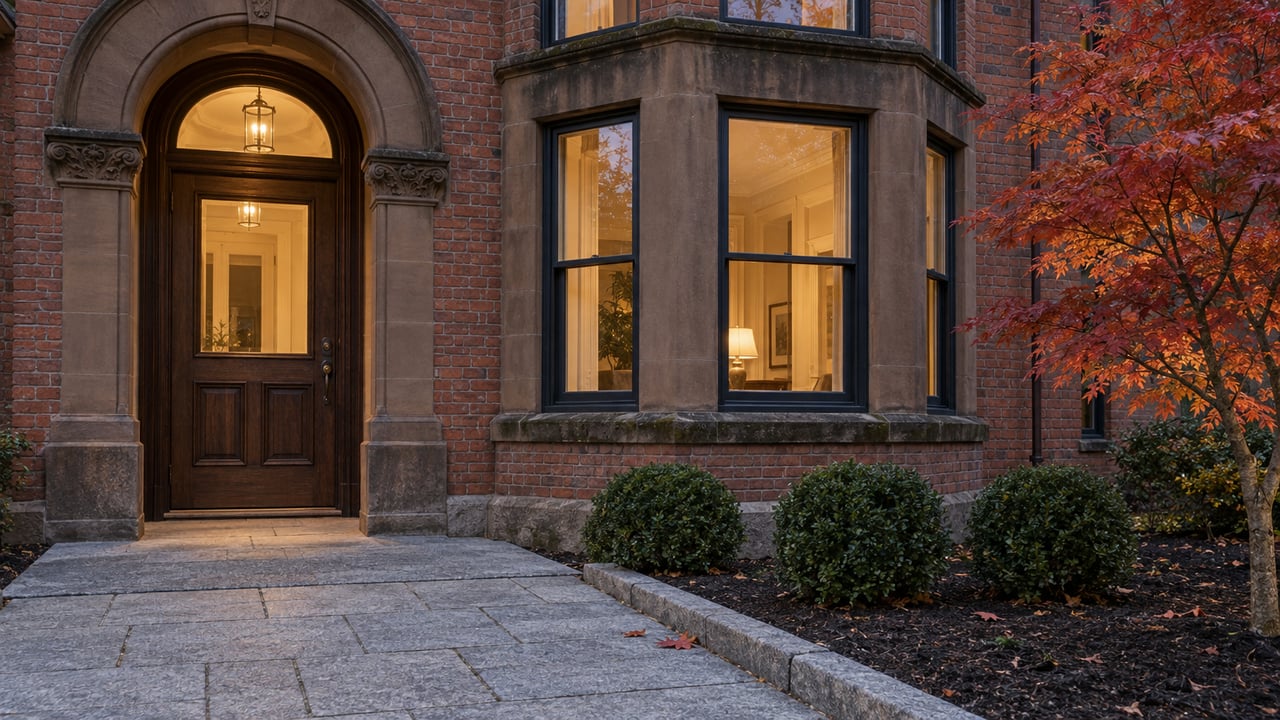
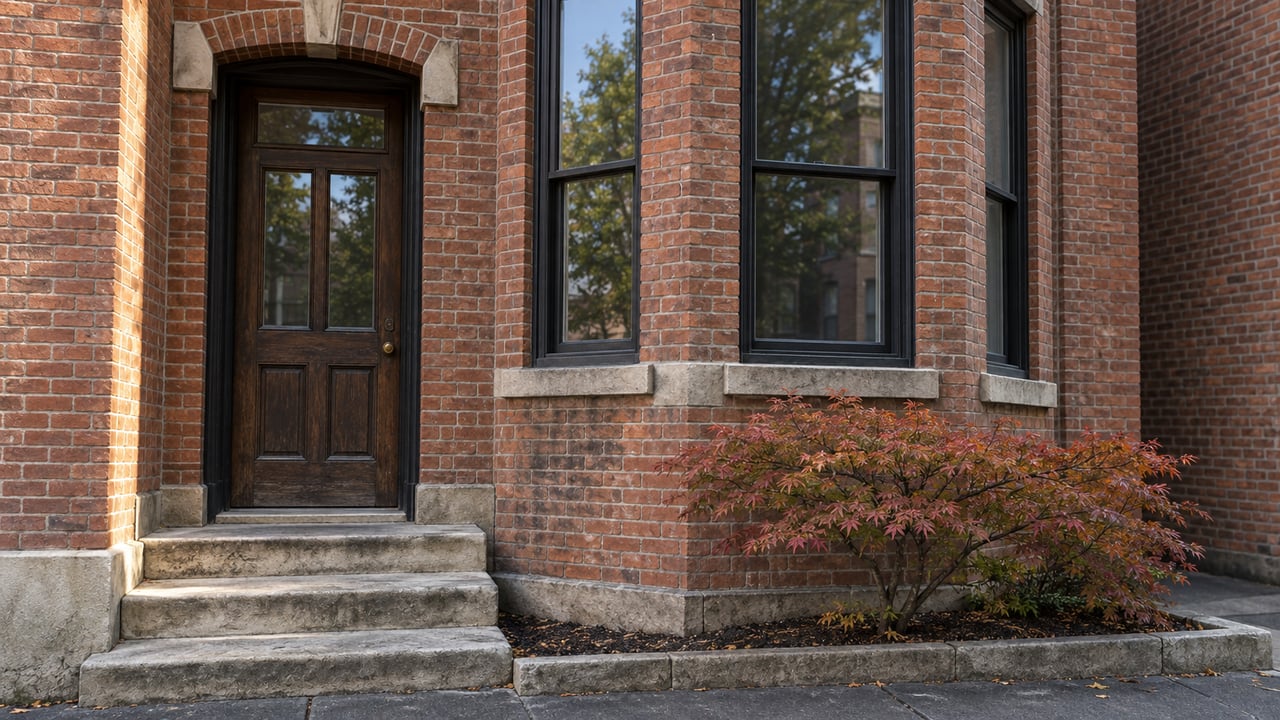
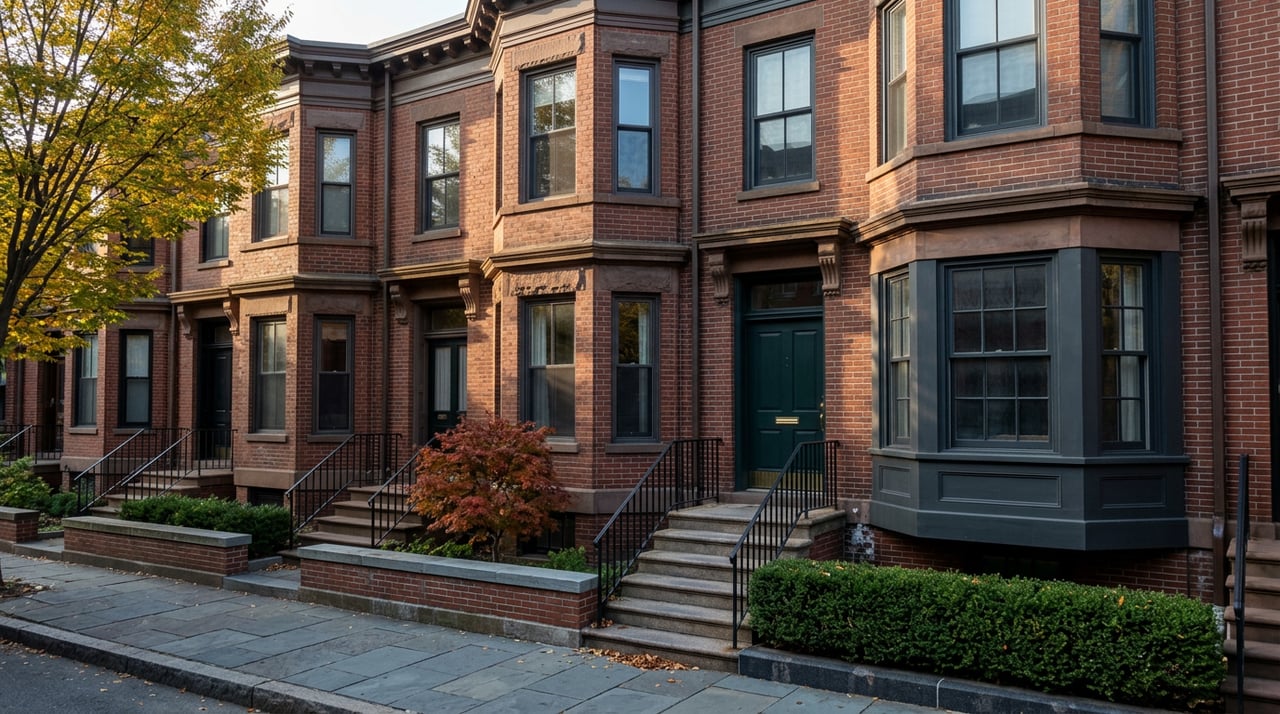
Back Bay is not a one-style condo neighborhood. Its housing stock includes 19th-century rowhouses, later conversions, and a smaller group of newer luxury towers, so amenity packages can differ dramatically from building to building.
That mix matters because older masonry buildings and historic conversions often prioritize location, character, and practical essentials over resort-style common areas. Newer luxury towers, by contrast, may offer a deeper menu of services and shared spaces, often with higher monthly fees to support them.
Back Bay’s historic district rules also shape what buildings can realistically offer. Boston’s review process applies to visible exterior work, including items like windows, balconies, rooftop mechanical equipment, and parking courts, which means outdoor space and future building changes are not always simple.
For you as a buyer, this makes amenities more than a lifestyle perk. In Back Bay, they can also signal future maintenance needs, likely condo fees, and how flexible a building may be over time.
Concierge and Full-Service Living
In many luxury Back Bay buildings, service is a major part of the value proposition. Listings may highlight 24-hour concierge coverage, attended lobbies, doorman service, package handling, housekeeping coordination, dry cleaning, or dog-walking support.
Official building examples in Back Bay show just how broad that range can be. The Colonnade Residences highlights around-the-clock concierge service, assigned garage parking, and storage bins, while Four Seasons One Dalton emphasizes a private lobby, club-style amenities, spa and wellness features, and a full fitness offering.
When you see terms like full service, attended lobby, or 24/7 concierge, it helps to read them as both convenience and cost. Staffing is part of a building’s common expenses, so a more service-heavy building will often carry a higher monthly fee than a smaller conversion with fewer shared services.
That does not make one option better than the other. It simply means you should decide whether the daily convenience matches the ongoing cost.
Parking in Back Bay Matters More
Parking is one of the most important amenities to evaluate in Back Bay. Boston says Back Bay meter rates are $3.75 per hour, and the city’s 2024 curb-access changes removed 125 meters while converting many spaces to resident permit parking.
That local parking context helps explain why off-street parking can carry real value here. In a neighborhood where curb space is tightly managed and resident-oriented, garage parking can make daily life much easier.
Not all parking is structured the same way, though. Some buildings offer underground parking, some use valet systems, and others include assigned or deeded spaces.
Here is a simple way to think about the main parking types:
| Parking type | What it usually means |
|---|---|
| Deeded parking | Stronger ownership position tied to the property |
| Assigned parking | Convenient access, usually subject to association rules |
| Valet parking | Easy day-to-day use, but less direct control |
| Guest parking | Helpful for visitors, but often limited |
For many Back Bay buyers, the key question is not just whether parking exists. It is whether the parking arrangement works for your routine and transfers in a way that supports future resale.
Shared Spaces and Lifestyle Amenities
At the top end of the market, some Back Bay condo buildings feel closer to boutique hotels than traditional condo associations. Official examples in the neighborhood include rooftop pools, heated pools, fitness centers, wellness floors, resident lounges, catering kitchens, and common roof decks with grills.
For example, 755 Boylston advertises a common roof deck with a gas grill, kitchen, and restroom. The Colonnade highlights a rooftop pool and fitness center, while Four Seasons One Dalton adds spa and wellness amenities along with high-touch residential services.
These features can absolutely enhance daily living, especially if you use them often. But they should be weighed carefully, because every added amenity also adds to cleaning, repairs, insurance, staffing, and long-term replacement costs.
A good rule of thumb is simple: the best amenity is the one you will actually use. If you rarely visit a fitness center or roof deck, you may be paying for features that look great on a tour but do not improve your day-to-day life.
Storage and Other Practical Extras
In city living, practical amenities often matter as much as flashy ones. Storage bins, extra storage areas, and bike space can make a meaningful difference, especially in Back Bay buildings where interior square footage may be tight.
Official building pages in Back Bay commonly advertise storage, but the details still matter. You will want to confirm whether storage is deeded, assigned, rented separately, or available on a first-come basis.
This is one of those amenities buyers sometimes overlook early, then appreciate later. Seasonal items, luggage, sports gear, and household overflow all take up space, and having secure storage outside the unit can make condo living feel much more functional.
The Invisible Amenities That Matter Most
Some of the most important luxury condo amenities are the ones you cannot easily photograph. In Back Bay, building systems such as the roof, HVAC, windows, elevators, plumbing, and fire-safety infrastructure often matter just as much as a polished lobby or attractive common room.
That is especially true in a historic district. Boston’s residential guidelines call for careful treatment of exterior systems, limited visibility for rooftop mechanical equipment, and restrictions around changes to historic windows and exterior openings.
In practical terms, that means a building may look beautifully updated while still carrying older systems behind the scenes. When you are evaluating a Back Bay condo, it is worth asking whether the building is truly modernized or mainly cosmetically refreshed.
How Amenities Affect Condo Fees
Amenities do not exist in a vacuum. Under Massachusetts condo law, common expenses are generally assessed according to percentage interest, and the condominium budget must include an adequate replacement reserve fund that is kept separate from operating funds.
That means monthly condo fees are driven by real operating needs. More staff, more mechanical systems, more shared square footage, and more complex services usually lead to higher fees.
This is not a red flag by itself. A high fee in a well-run building with strong reserves and meaningful services may offer better long-term value than a lower fee in a building that is underfunded.
The bigger issue is whether the fee aligns with what you are getting. If the amenity package supports your routine and the association is budgeting responsibly, the cost may make sense. If not, it may feel like overhead rather than value.
Why Reserves and Assessments Matter
Beyond monthly fees, buyers should also think about long-term capital planning. Massachusetts law requires an adequate replacement reserve fund, but large repairs or unexpected capital costs can still lead to special assessments.
In Back Bay, this matters because building systems, elevators, roofs, and shared spaces can be expensive to maintain or replace. Historic building conditions can also make some exterior and system-related work more complicated.
For that reason, a smart buyer looks beyond the glossy amenity list. Strong reserves, clear financial records, and realistic planning often matter more than a dramatic lobby or lightly used resident lounge.
Questions to Ask Before You Make an Offer
Back Bay condo due diligence tends to be very specific. You are not just buying an apartment. You are buying into a building structure, budget, and rules that shape how the property works over time.
Before making an offer, it helps to ask:
- What exactly is included in the monthly condo fee?
- Is parking deeded, assigned, leased, or valet-controlled?
- Is there any guest parking?
- Is storage included, and if so, does it transfer with the unit?
- What major capital projects are expected next?
- How strong are the building reserves?
- Are there records available for the budget, financials, and meeting minutes?
- Would future exterior work require historic-district approval?
Massachusetts says condo ownership is governed by the master deed, by-laws, and Chapter 183A, and associations must keep records including financials and the minute book. If you are reviewing condo documents or building obligations in detail, an experienced real estate attorney is an important part of the process.
How to Read Listing Language Clearly
Back Bay listings often compress a lot of meaning into a few phrases. Once you know how to decode them, you can compare properties more effectively.
For example, full service often signals a staffed operation and a higher-cost building structure. Deeded parking usually points to a stronger ownership interest, while assigned garage parking suggests convenience with more association control.
Similarly, common roof deck points to shared outdoor access rather than private outdoor space, and storage bins often indicate practical overflow space that can improve everyday livability. The goal is not to find the longest amenity list. It is to find the right amenity mix for how you actually live.
If you are comparing luxury condos in Back Bay and want help weighing amenities against fees, resale potential, and building quality, Eric Glassoff can help you sort through the details and make a more confident decision.
FAQs
What luxury condo amenities are most valuable in Back Bay?
- In Back Bay, buyers often focus most on parking, concierge or lobby service, storage, fitness amenities, roof access, and the quality of building systems such as HVAC, elevators, and windows.
Why do Back Bay condo fees vary so much between buildings?
- Condo fees can vary because Back Bay buildings have very different staffing levels, shared spaces, system complexity, and reserve needs, especially across historic conversions and newer luxury towers.
What should buyers know about parking in Back Bay condos?
- Buyers should confirm whether parking is deeded, assigned, valet-controlled, or otherwise restricted, because off-street parking is a high-value amenity in a neighborhood with limited and tightly managed curb space.
How do historic district rules affect Back Bay condo amenities?
- Historic district review can affect visible exterior changes such as balconies, rooftop equipment, windows, and some roof-related work, so buyers should not assume future amenity additions or exterior alterations will be simple.
What building details matter beyond visible condo amenities?
- Buyers should look closely at roofs, HVAC, elevators, plumbing, windows, fire-safety systems, reserves, and upcoming capital projects, since these invisible features often shape long-term ownership costs more than cosmetic upgrades do.